7 Days
Morocco 7-Day Itinerary
A focused one-week route through Marrakech, the High Atlas and Essaouira without spending half the trip in transit.
View itinerary →What to do in Morocco, where to go and how to connect it all into a route that works—with realistic itineraries, destination guides and practical advice for independent travellers.
Morocco rewards travellers who plan a route before a checklist. Marrakech, the Sahara, Fes, the Rif and the Atlantic coast sit in different corners of the country, mountain roads are slower than they look on a map, and the most famous places rarely fit into one short trip. These guides are built around that reality: start with how many days you have, choose the regions that suit them, then use the practical guides to settle transport, season, budget and where to sleep.
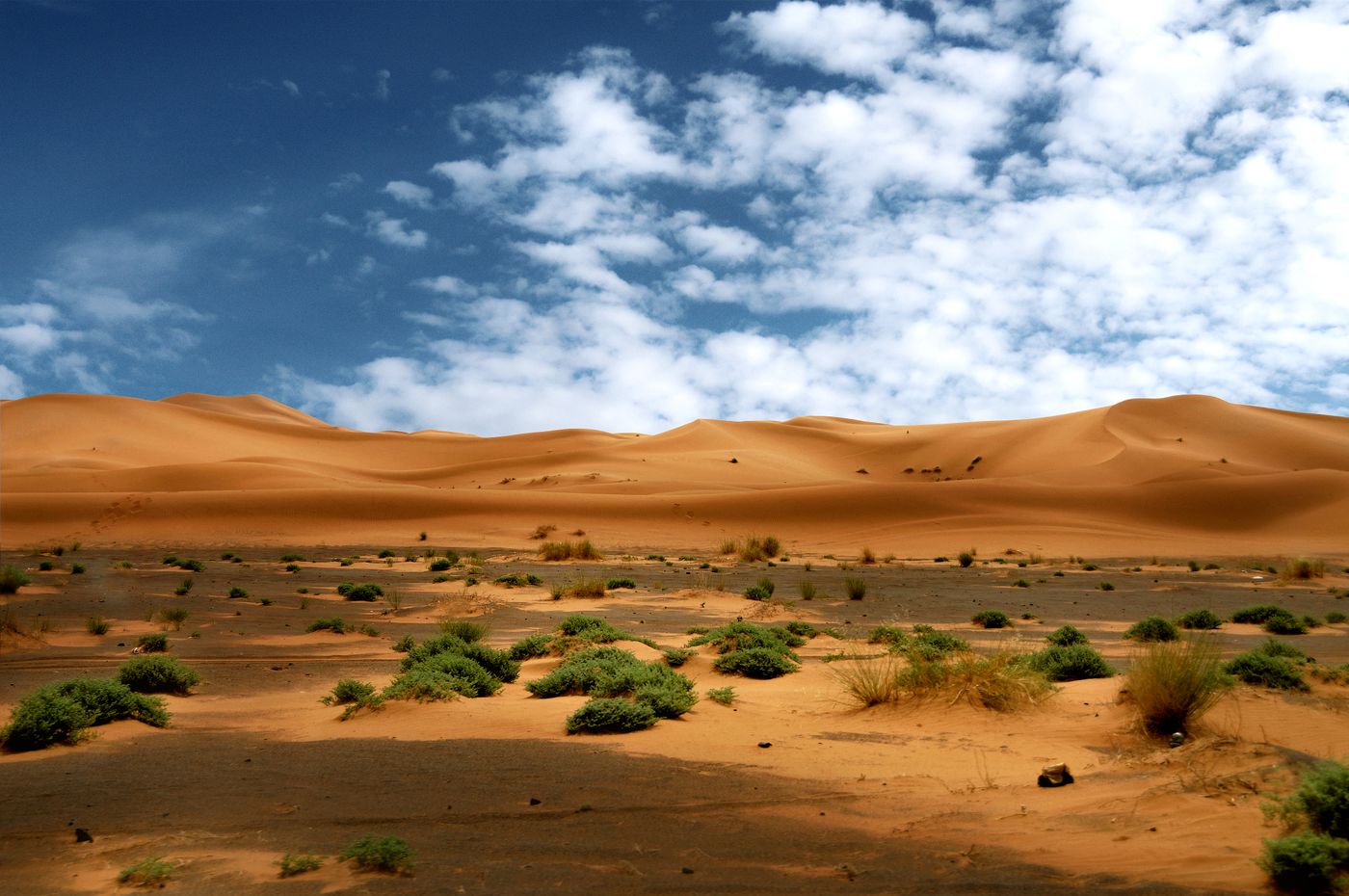
A one-way first-trip route through Marrakech, the High Atlas, Aït Ben Haddou, the southern valleys, Merzouga and Fes, with two nights by the dunes, an honest look at the long road day north and what to leave out.
Read full itinerary →Multi-day routes built around sensible overnight stops, one-way travel where possible and how much ground you can realistically cover. Pick the length closest to your trip, then adjust: one week suits one region, ten days fits the classic desert route, and two weeks lets you add the north or the coast.
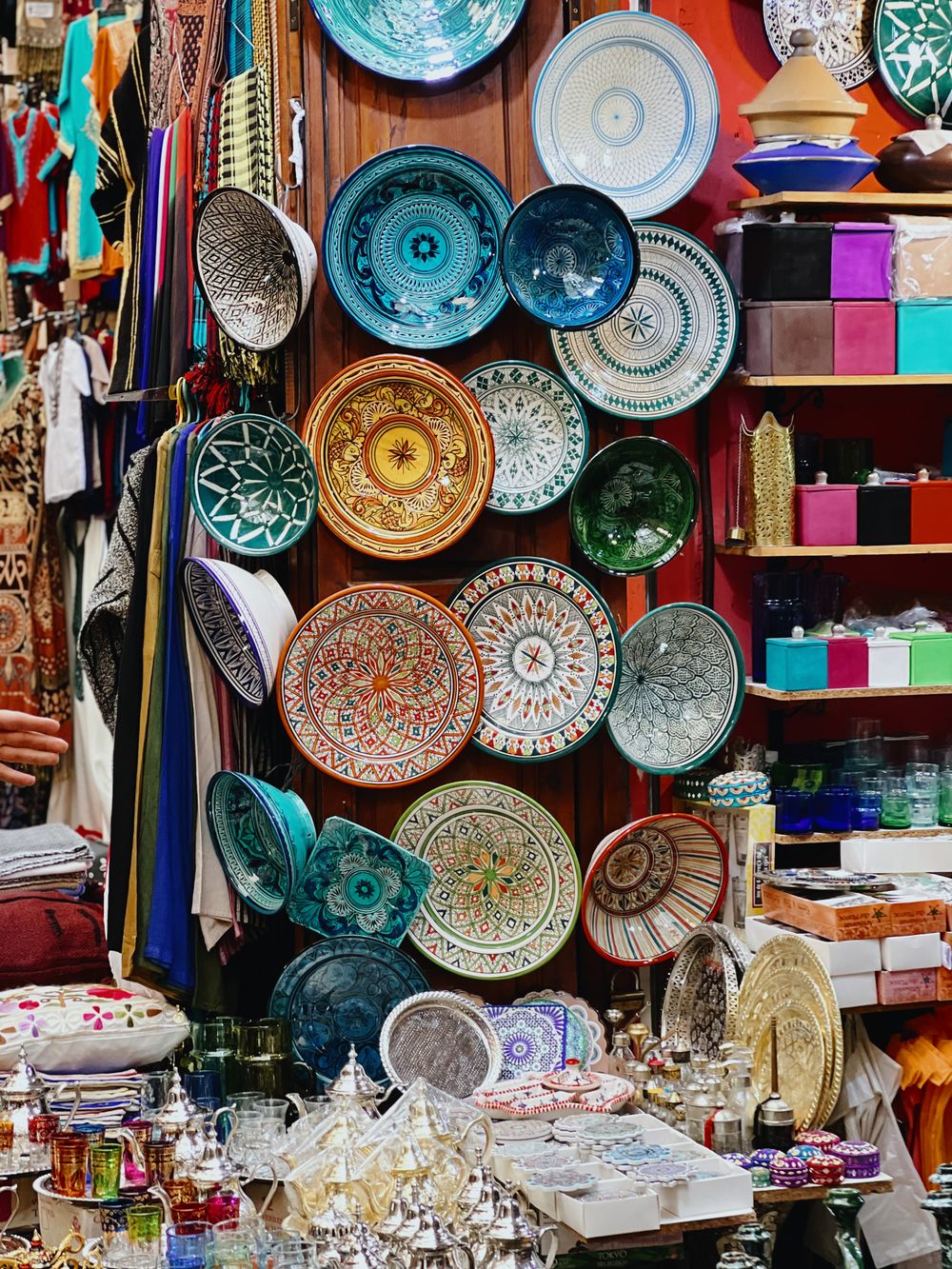
A focused one-week route through Marrakech, the High Atlas and Essaouira without spending half the trip in transit.
View itinerary →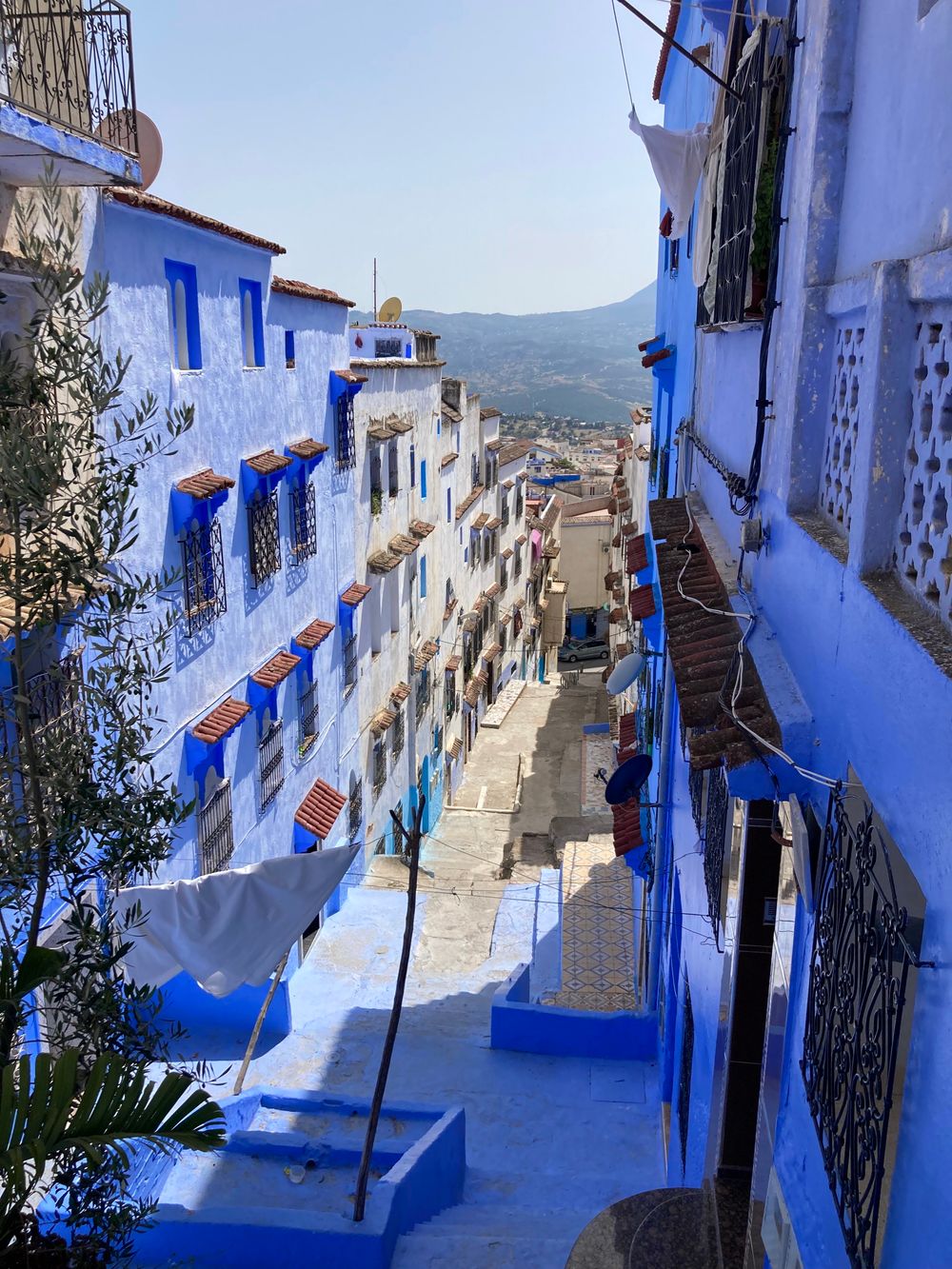
Extended route including Atlantic coast, northern Morocco, and mountain valleys.
View itinerary →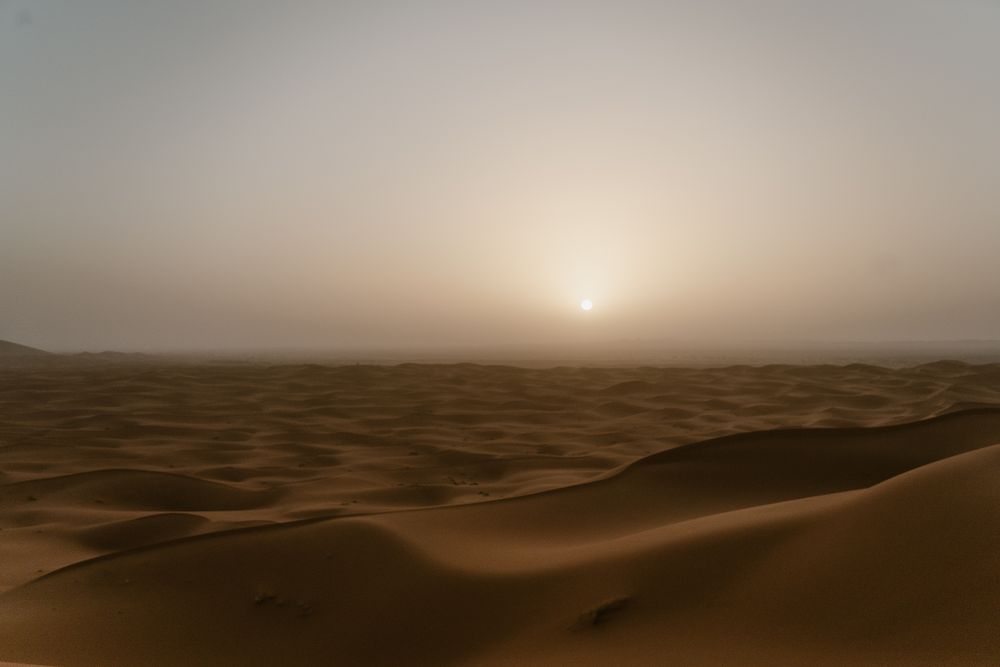
Marrakech to Merzouga via the High Atlas, Aït Ben Haddou and the Dades or Todra valleys, then on to Fes or back west.
View itinerary →Guides to the places that deserve real time on a first or second trip: the two great medina cities, the blue town of the Rif, the Atlantic port of Essaouira and the dunes of Erg Chebbi. Each one covers how long to stay, where it fits in a route and what is worth your time there.
Morocco's oldest imperial city, medina navigation, and cultural sites.
What to see, how long to stay, and Rif Mountains day trips.
Atlantic coast town, beaches, medina, and getting there from Marrakech.
How long to stay, village versus desert camp, and what matters around the dunes.
Most planning problems in Morocco come from making these decisions in the wrong order. Work through them roughly in this sequence and the rest of the trip becomes much easier to book.
Seven days suits one region, such as Marrakech, the High Atlas and Essaouira. Ten days is enough for the classic route through the Atlas, the southern valleys, Merzouga and Fes. Fifteen days lets you add the north or the Atlantic coast without turning the trip into a series of transfers.
Chefchaouen in the Rif, Essaouira on the Atlantic and Merzouga on the edge of the Sahara pull a route in different directions. Picking two or three regions and giving each enough time usually works better than trying to collect every famous name.
Trains are the simplest way to link Tangier, Rabat, Casablanca, Marrakech and Fes. The south—the Atlas passes, the Dades and Todra valleys and Merzouga—is road country, where a rental car, a private driver or an organised transfer makes more sense.
Morocco's climate changes sharply between the coast, the mountains, the inland cities and the desert. Heat inland and in the Sahara, and cold on high mountain passes, can change which route is comfortable in a given month.
Accommodation, long-distance transport, food and entry fees vary independently, so a single daily figure says little. The costs guide breaks the budget down by category and includes sourced reference prices for trains, fuel, monuments and the dirham.
A riad inside the medina, a hotel near the new town or a camp in the dunes each changes how a day works. Location matters as much as the room: luggage, taxi access and late arrivals are all easier when the place fits the route.
The practical side of the trip: how to move between regions, what driving is really like, how to budget, when to go, what to eat and how to choose accommodation.
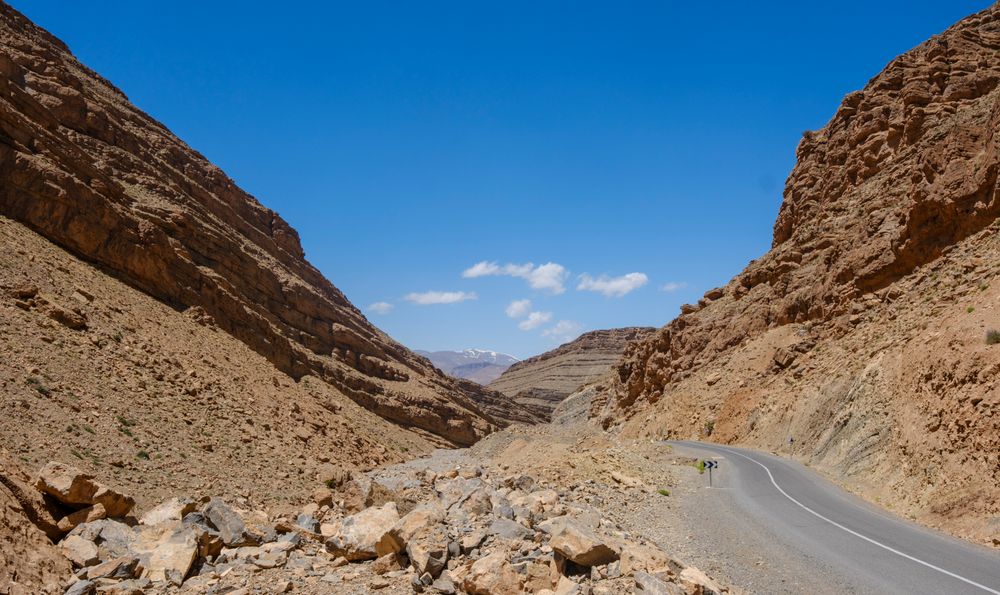
Rental cars, trains, buses, and grand taxis explained.
Read guide →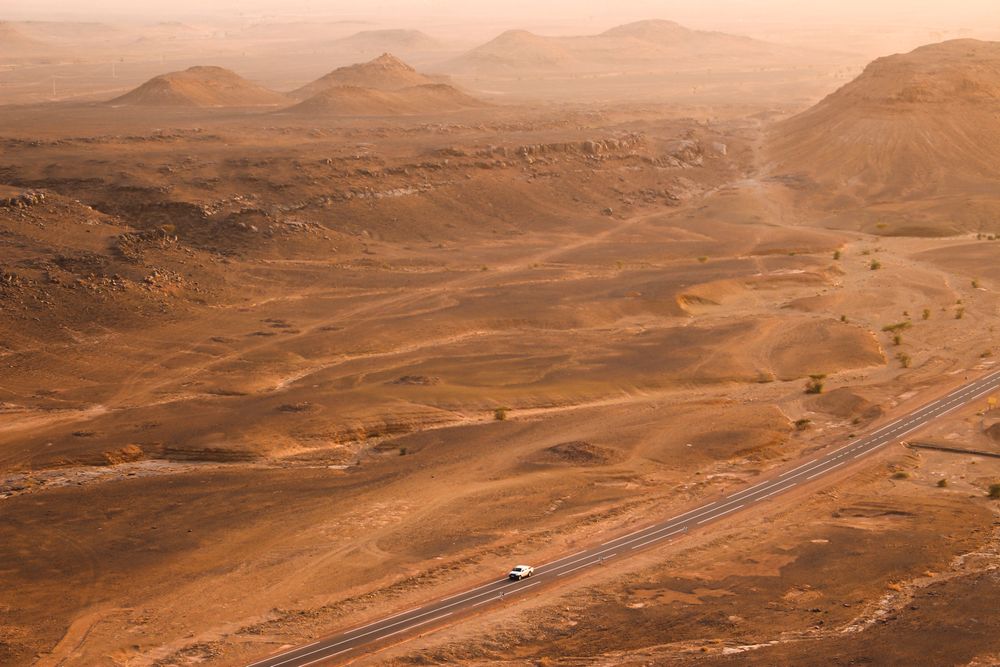
Road conditions, rental tips, fuel stops, and what to expect.
Read guide →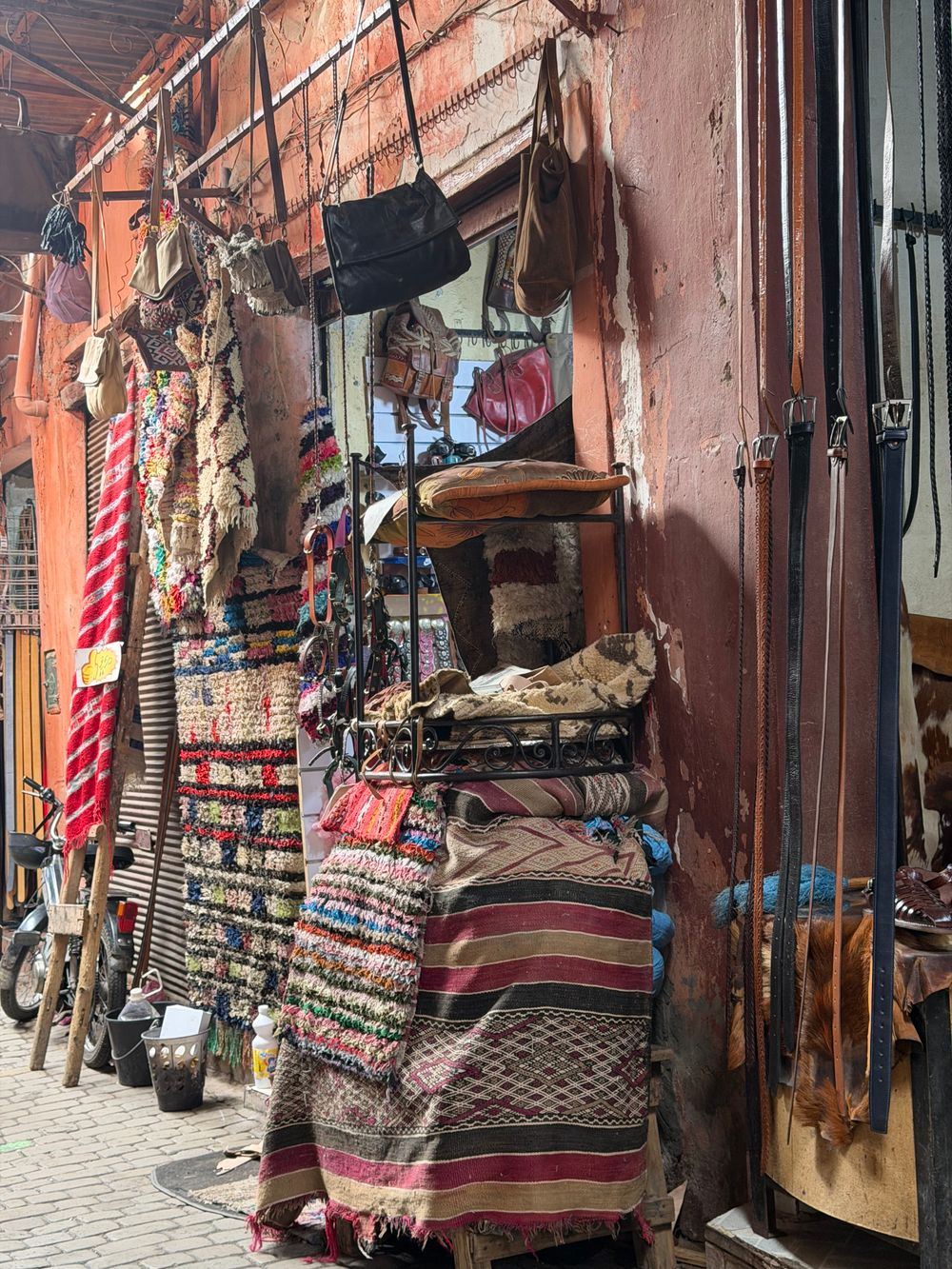
How to budget by category and which choices change the total cost most.
Read guide →
Climate by region and season, avoiding extreme heat.
Read guide →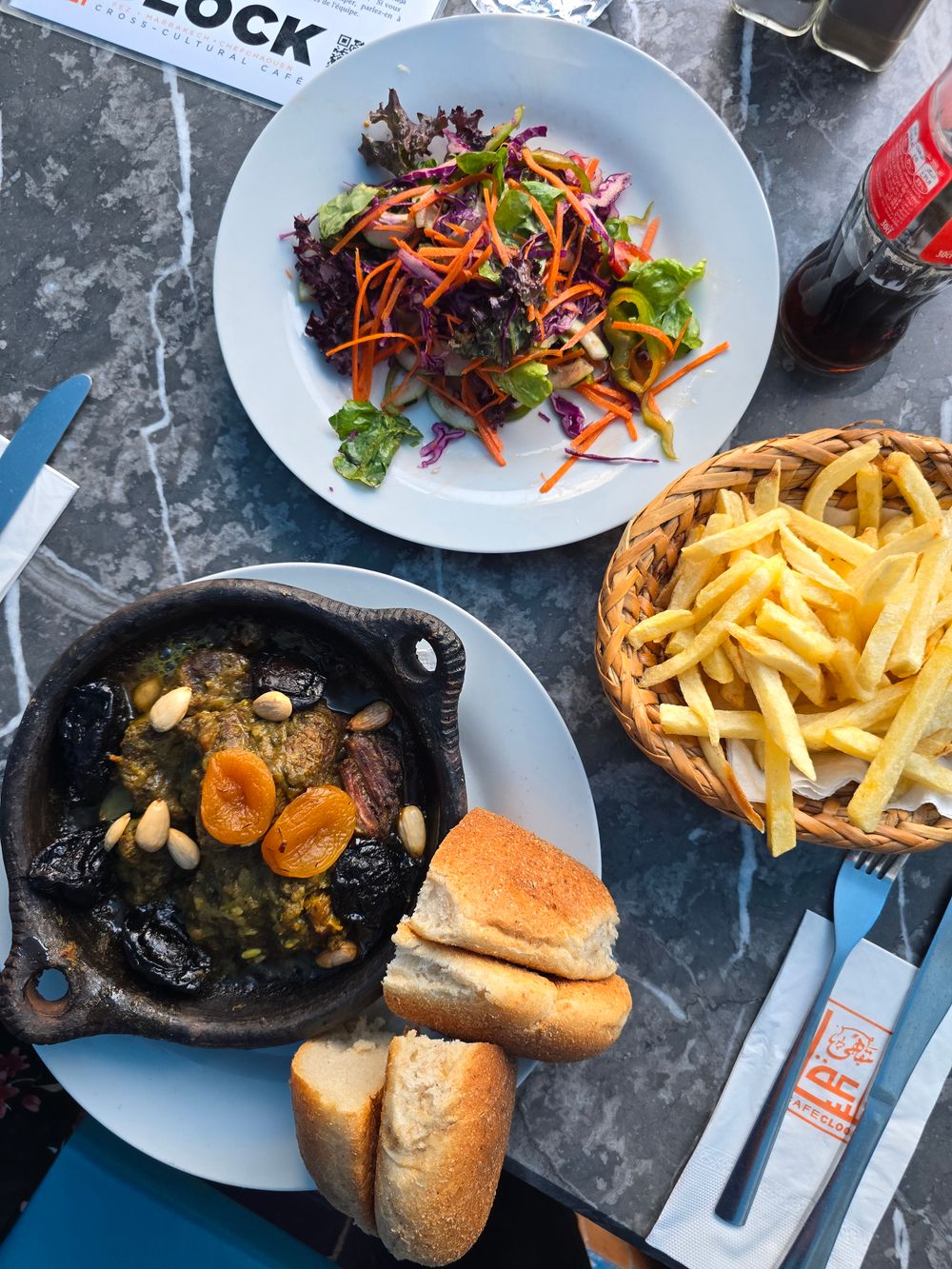
What to eat, which dishes change by region and how to judge a street-food stall.
Read guide →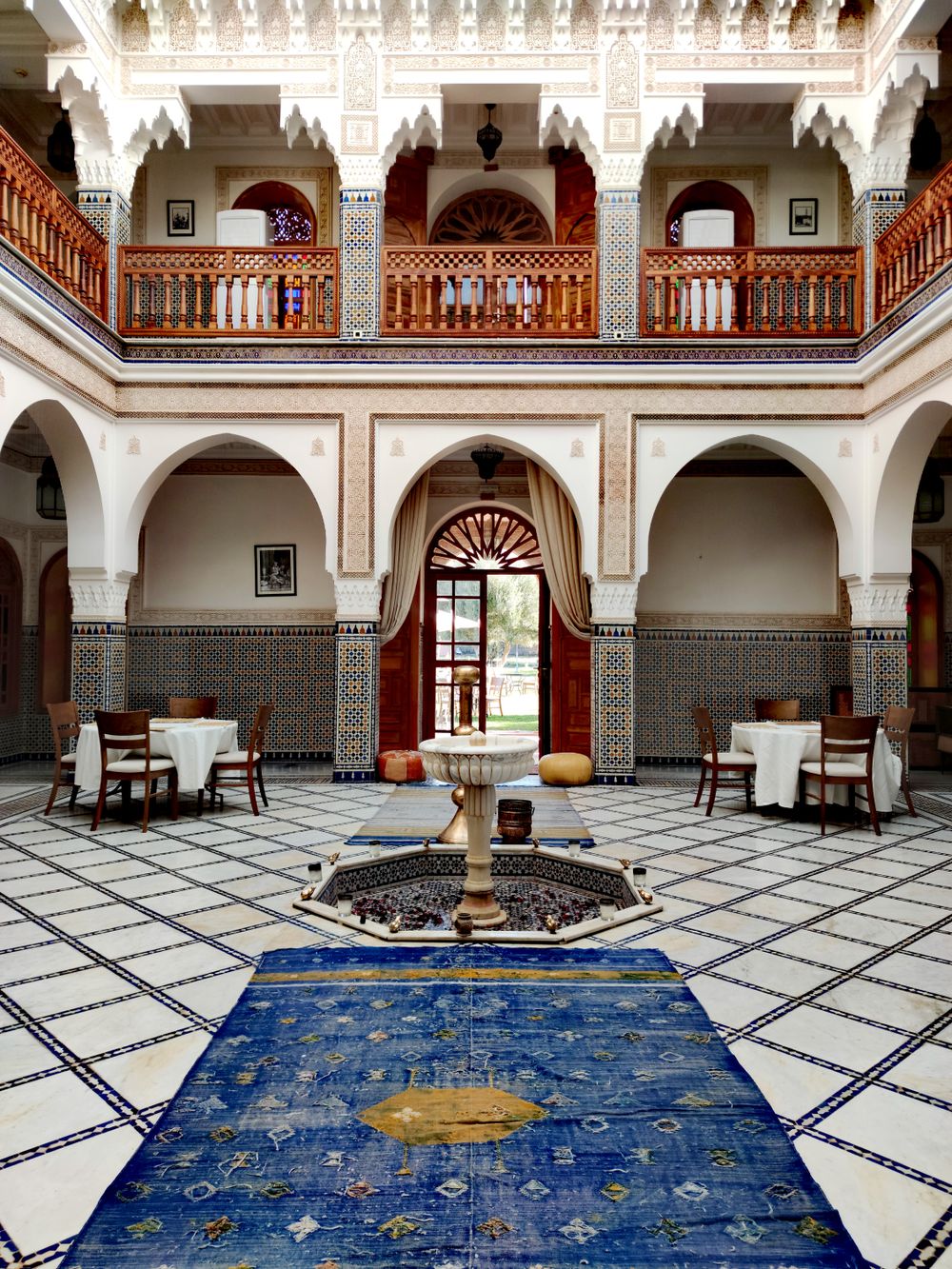
Riads, hotels and desert camps compared, and how location changes the trip.
Read guide →Morocco Things To Do is an independent English-language planning guide edited by Jota Zabala. The site is deliberately small: a limited number of guides kept up to date rather than hundreds of thin pages. Guides are researched and drafted with the help of AI tools, then reviewed before publication. They do not claim visits, stays or personal testing that cannot be supported, and details that change—fares, entry fees, schedules—are linked to sources where possible.
If you spot an outdated route detail, broken link or factual error, send it to the editor so the guide can be reviewed.
Email Jota Zabala