
Is 10 days enough for Morocco?
Ten days is a very workable length for a first Morocco trip if the route stays focused. I would connect Marrakech, the High Atlas, Aït Ben Haddou, the southern valleys, Merzouga and Fes in one direction instead of trying to add the Atlantic coast and northern Morocco as well.
The strength of this route is geography. Each travel day moves you toward the next region, so there is little backtracking. It still includes long road sections, especially between Merzouga and Fes, but there is enough time to give the main stops more than a rushed photo break.
Days 1–2: Marrakech
I would use the first day for orientation rather than trying to clear a sightseeing list immediately after arrival. Jemaa el-Fnaa, the souks and the streets around the medina are enough for a first afternoon and evening.
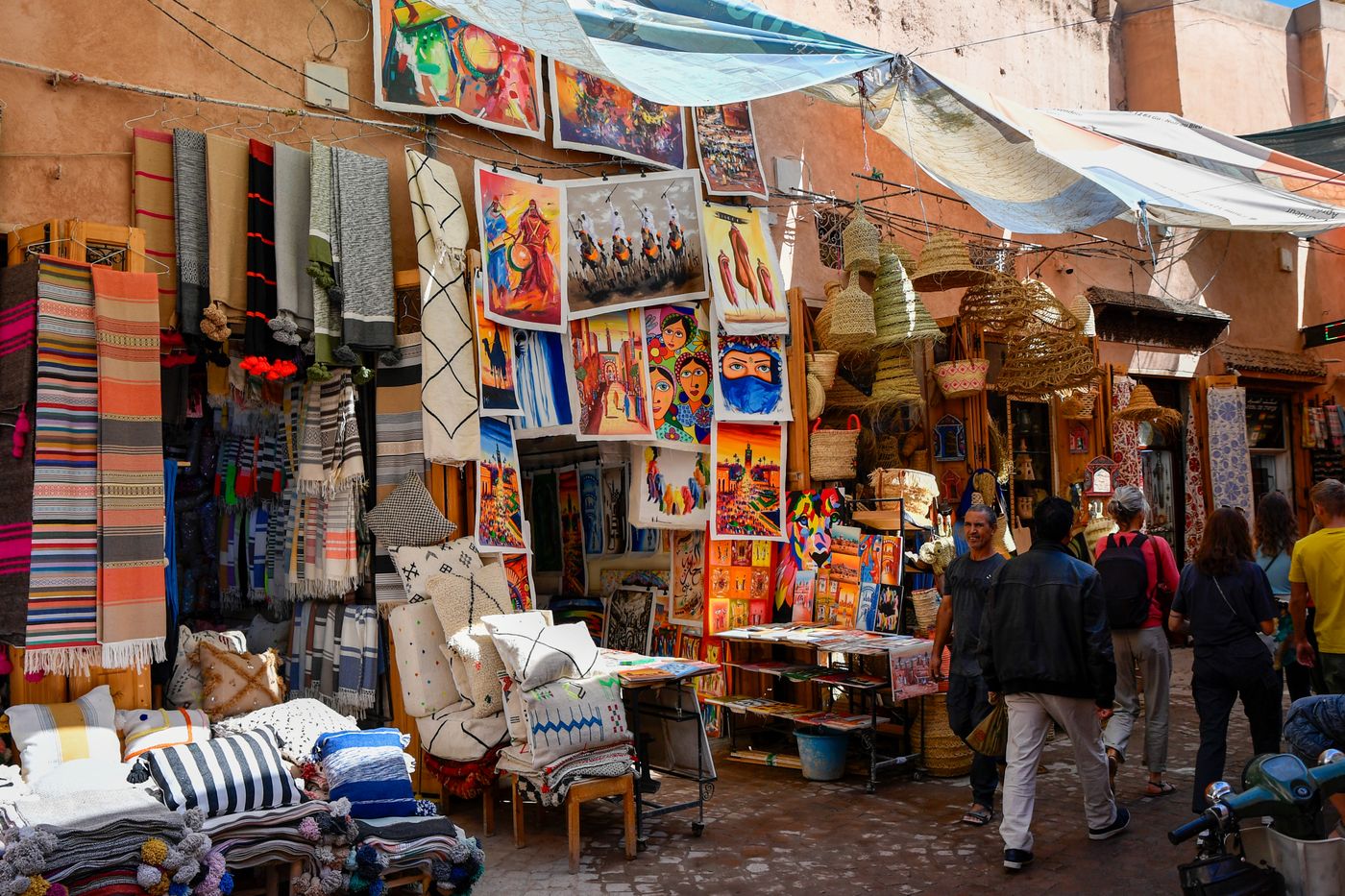
On day two, group the southern medina sights together: Bahia Palace, El Badi and the Saadian Tombs sit naturally in the same part of the city. Keep the late afternoon flexible and return toward Jemaa el-Fnaa as the square changes for the evening.
Day 3: High Atlas and Aït Ben Haddou
This is the first serious road day. Leave Marrakech early and treat the High Atlas as part of the experience rather than dead travel time. Mountain roads are slower than motorway driving, and viewpoints, villages and road conditions can stretch the day.
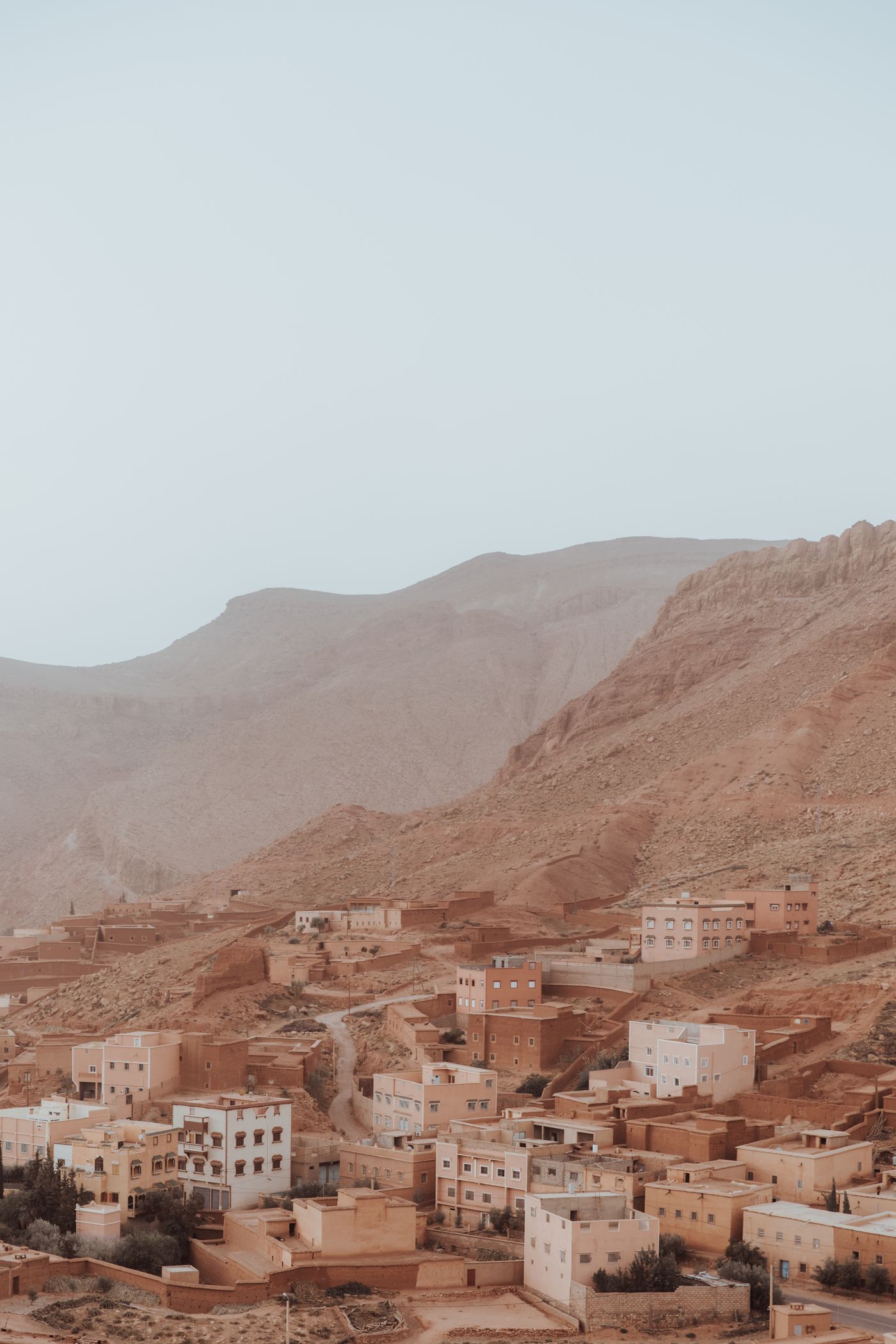
I would spend the afternoon at Aït Ben Haddou and sleep nearby or around Ouarzazate rather than forcing another long drive after sunset.
Day 4: Dades Valley or Todra Gorge
The route east moves through a sequence of dry valleys, palm groves, kasbahs and red-rock landscapes. I would choose one main focus—Dades or Todra—and give it proper time instead of trying to explore both deeply in the same afternoon.
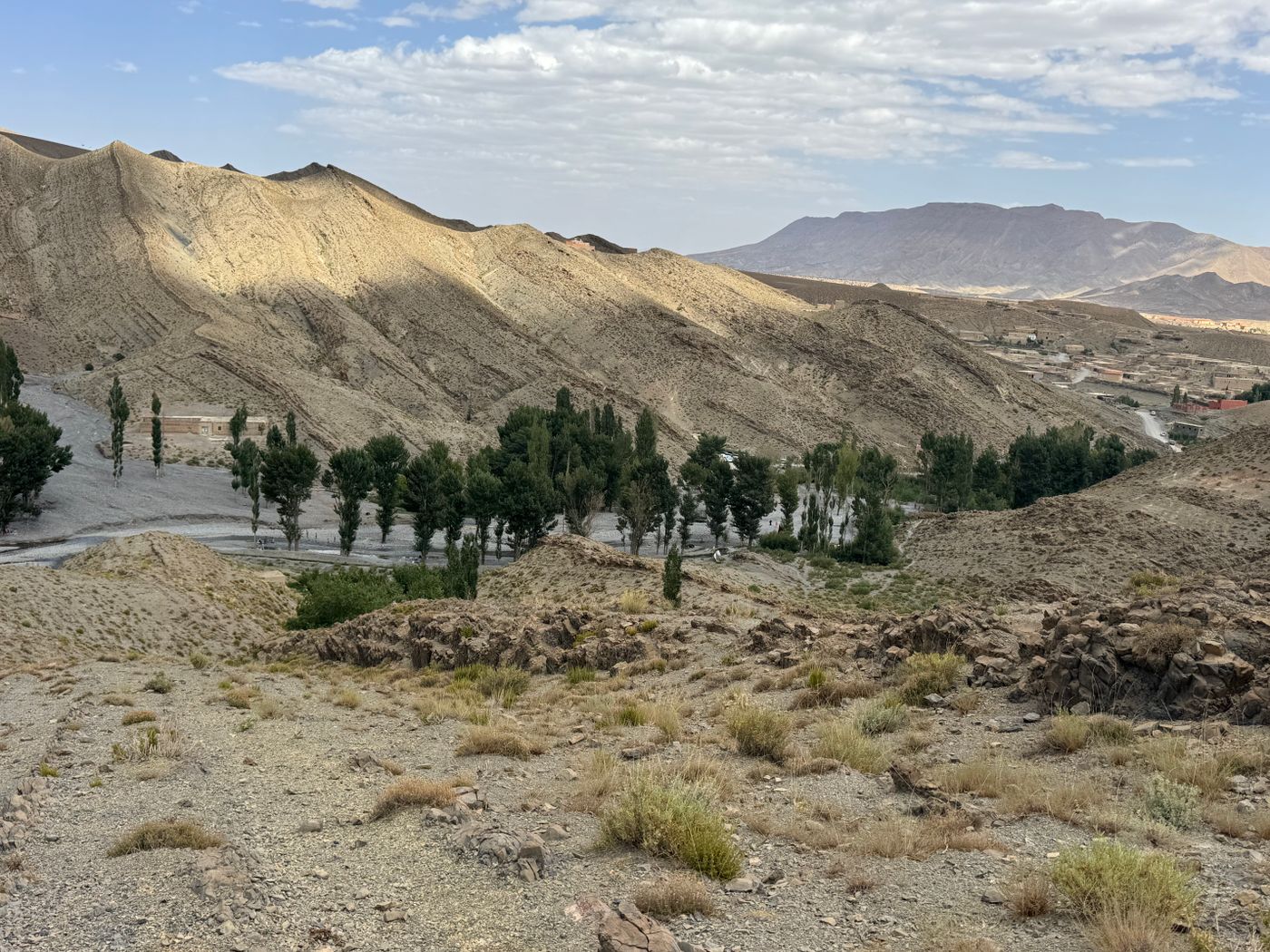
Sleeping around Tinghir makes the next day toward Merzouga more manageable and keeps the itinerary moving east without unnecessary backtracking.
Days 5–6: Merzouga and the Sahara
By day five the landscape gradually opens toward the desert edge. I would aim to reach Merzouga with daylight left so the first view of Erg Chebbi is not squeezed between check-in and sunset.
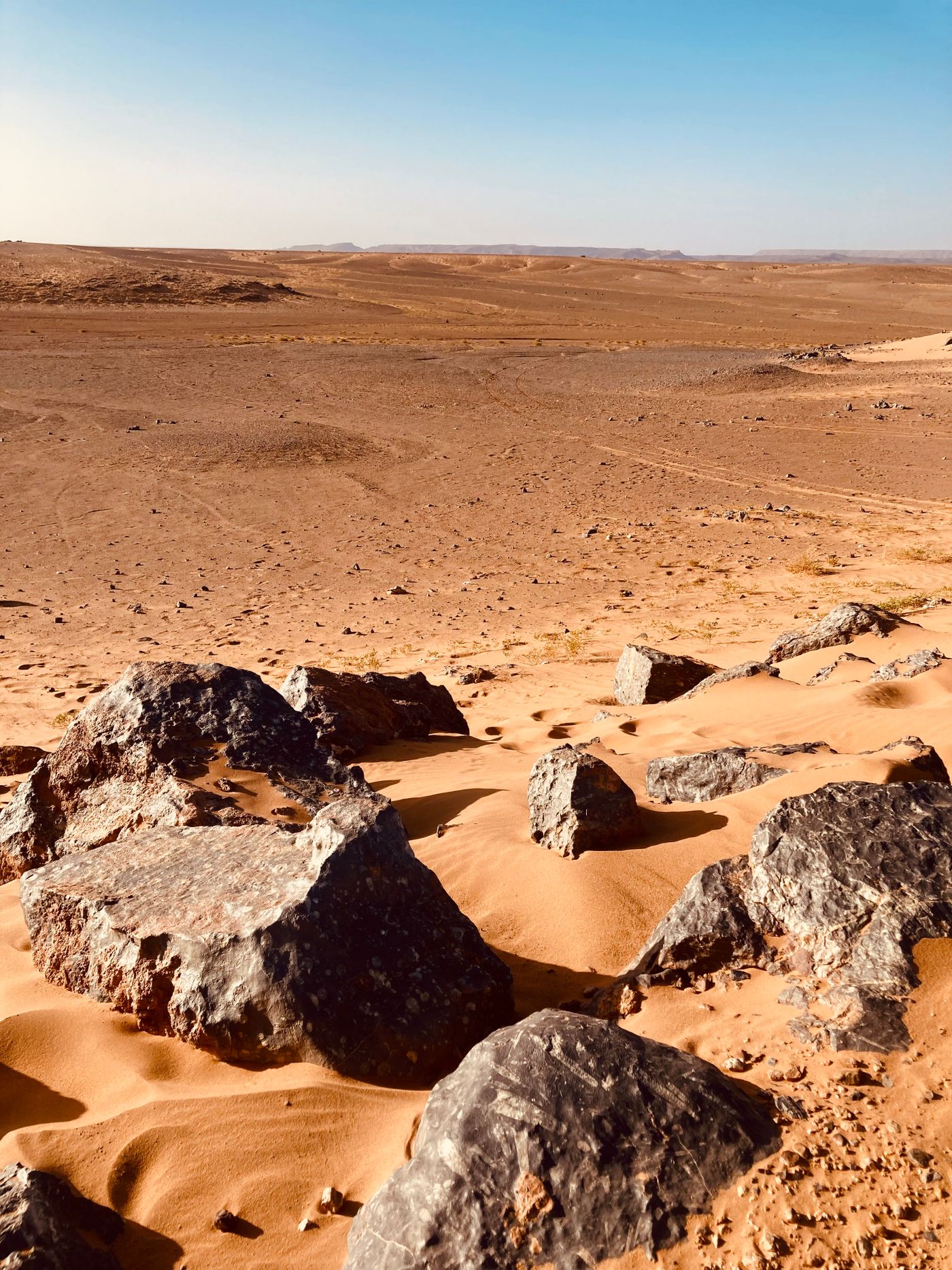
The second night is what makes the itinerary more comfortable. It gives you a full day for the dunes, a camp if you want one, a walk, a camel ride or simply unstructured time around Erg Chebbi. You do not need to fill every hour with organised activities.
Day 7: Merzouga toward Fes
This is the longest transfer in the itinerary, so I would treat it as a road day. The route heads north through the Ziz area and Middle Atlas before reaching Fes. Build in stops, refuel before remote sections and avoid planning major sightseeing for the evening.

Days 8–10: Fes
Fes needs time because the medina is denser and less intuitive than Marrakech. I would spend the first full day around Bab Bou Jeloud, the main medina lanes, madrasas and the traditional craft areas, including the Chouara tanneries.
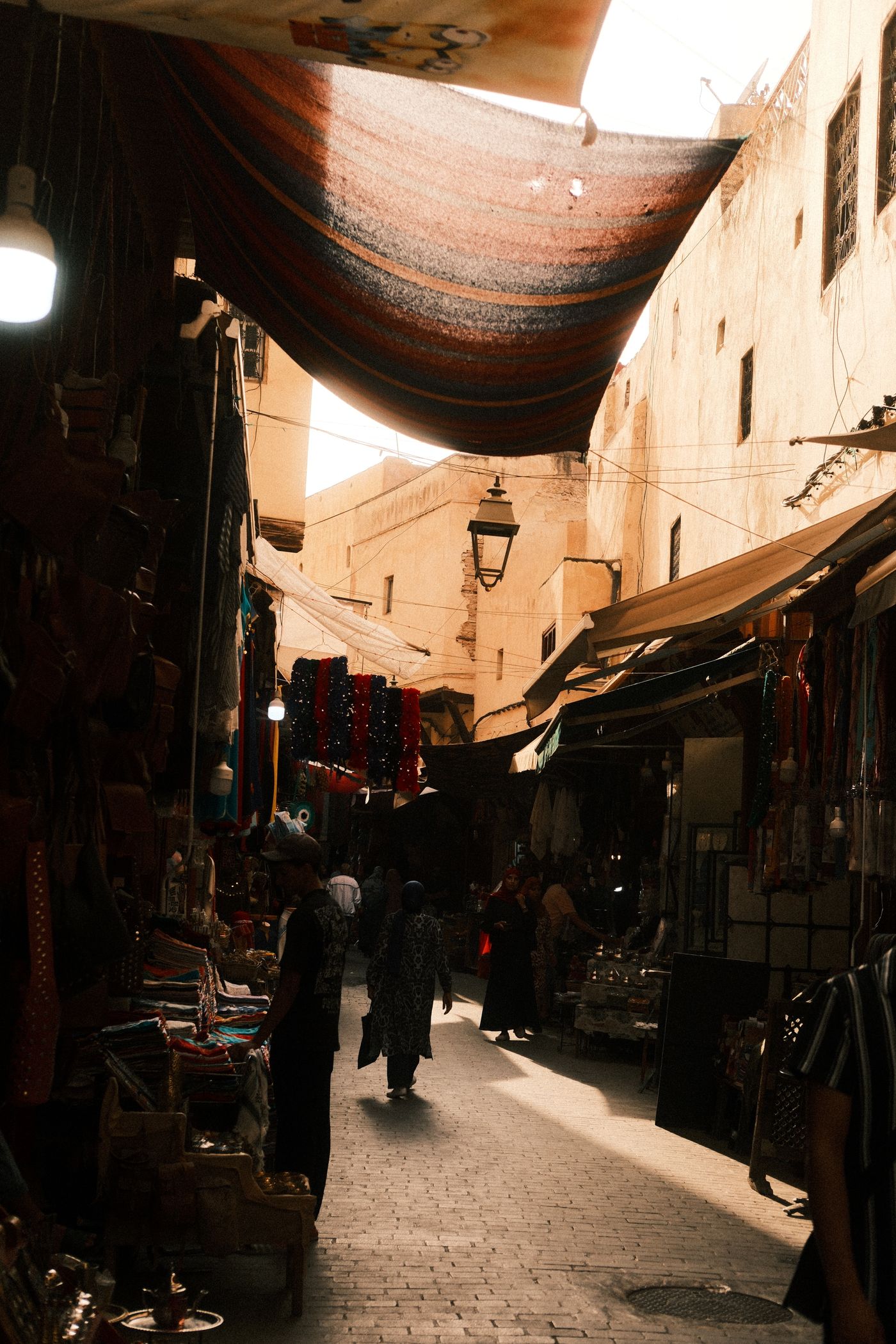
Use the second full day more loosely: revisit the areas that interested you, see the city from a viewpoint and leave room for a slower meal or craft stop. If your flight is on day ten, keep the final schedule conservative rather than placing a distant excursion before departure.
How I would travel this route
The Marrakech-to-Merzouga section is road-based. The practical choices are a rental car, a private driver or an organised multi-day transfer. A rental car offers the most independence; a driver removes the fatigue of long mountain and desert-road days; a group tour reduces planning but gives you less control over stops.
I would choose based on comfort rather than trying to prove the trip is more “independent” one way or another. Once in Fes, rail links make onward travel to several major Moroccan cities much easier.
What I would leave out
I would not add Chefchaouen, Tangier or Essaouira to these same ten days. They are all worthwhile, but they pull the route in different directions. If the north is the priority, reduce the southern road trip. If the Atlantic coast matters more than the Sahara, use a Marrakech–Essaouira route instead.
Planning rule: check current road conditions, transport schedules and opening information close to travel. Mountain roads, timetables and seasonal conditions can change, so fixed times copied from an old itinerary should never be treated as guarantees.
Why this route works
This itinerary gives you several distinct sides of Morocco without pretending that ten days is enough for the whole country: a major city, the High Atlas, fortified southern landscapes, the Sahara and Fes. The trade-off is one long transfer day, but the route otherwise moves in a logical direction and gives the major stops meaningful time.
For a first visit, that balance is more useful than a longer list of destinations. Ten days should feel like a trip through Morocco, not a competition to collect place names.
I would also keep the first and last evenings deliberately light. Arrival delays, luggage, traffic and simple fatigue can eat into a schedule quickly, and a route this varied works much better when every hour is not pre-booked.