
Why 15 days changes the whole trip
With fifteen days, the useful question changes from “how many famous places can fit?” to how the route flows. A good 15 day Morocco itinerary can connect the north, Fes, the Middle Atlas, Merzouga, the southern valleys, Marrakech and the Atlantic without forcing you into a different hotel every night.
I would travel broadly north to south, then finish on the coast. That keeps backtracking under control and lets the scenery change in a way that actually makes sense.
Days 1–2: Tangier and Chefchaouen
If your flights allow it, starting in Tangier is efficient. I would use the first day to recover from travel, walk the medina and kasbah area, then move inland to Chefchaouen on day two.
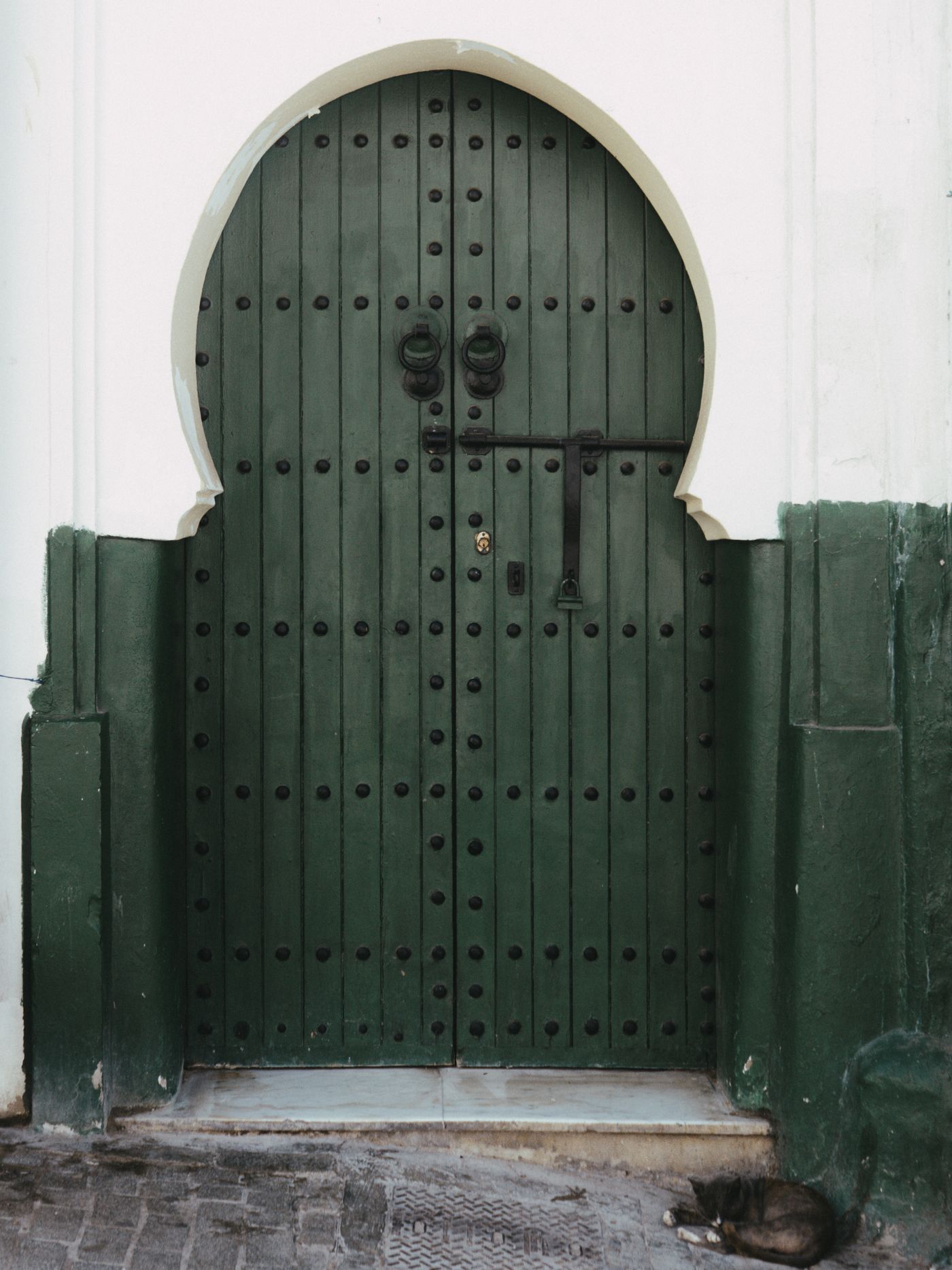
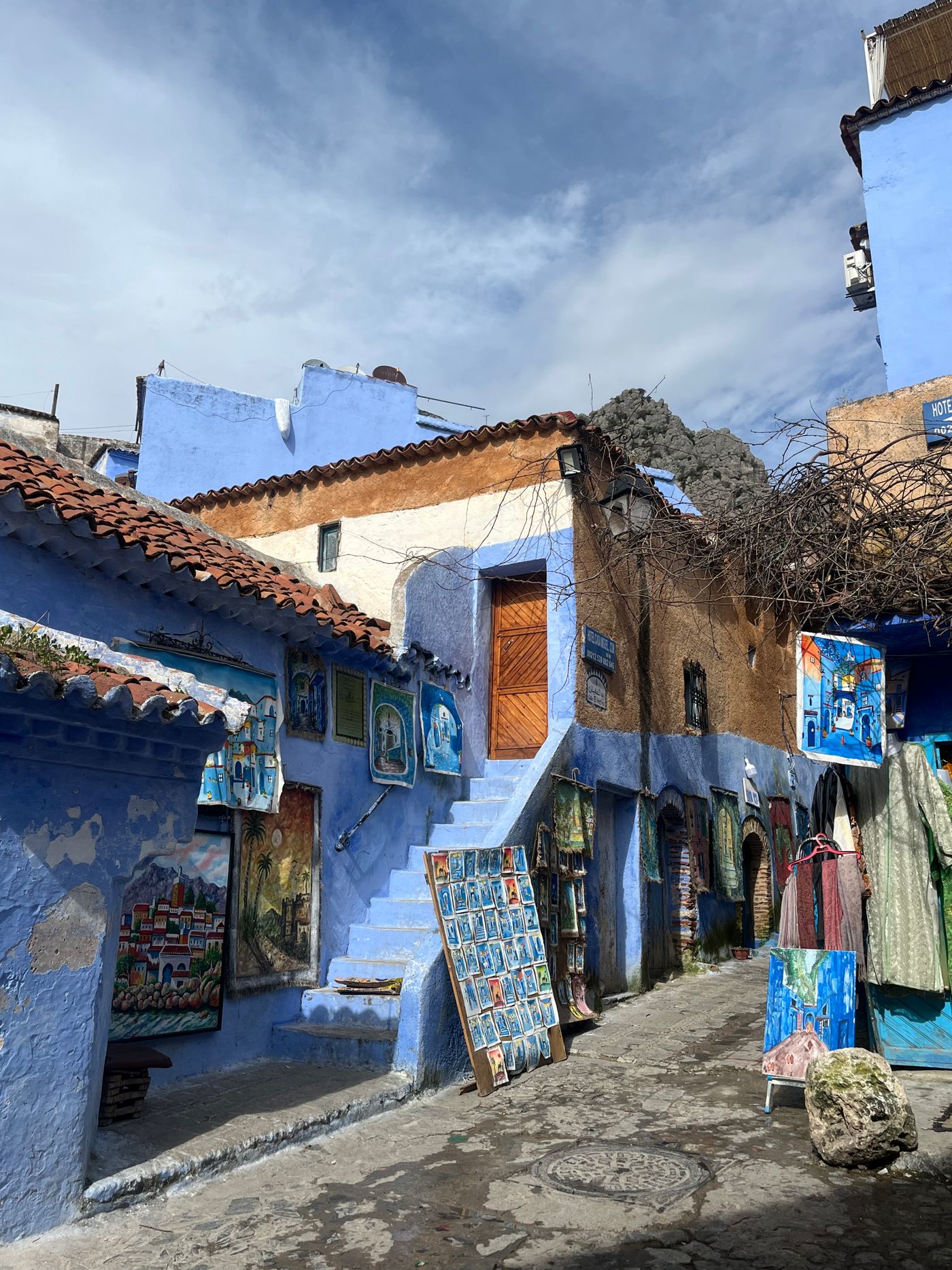
Chefchaouen works because it is compact and because the Rif setting feels completely different from Fes or Marrakech. The national tourism office notes the medina, kasbah and surrounding hiking areas, and lists Fes at roughly 194 km away by road.
Days 3–5: Fes
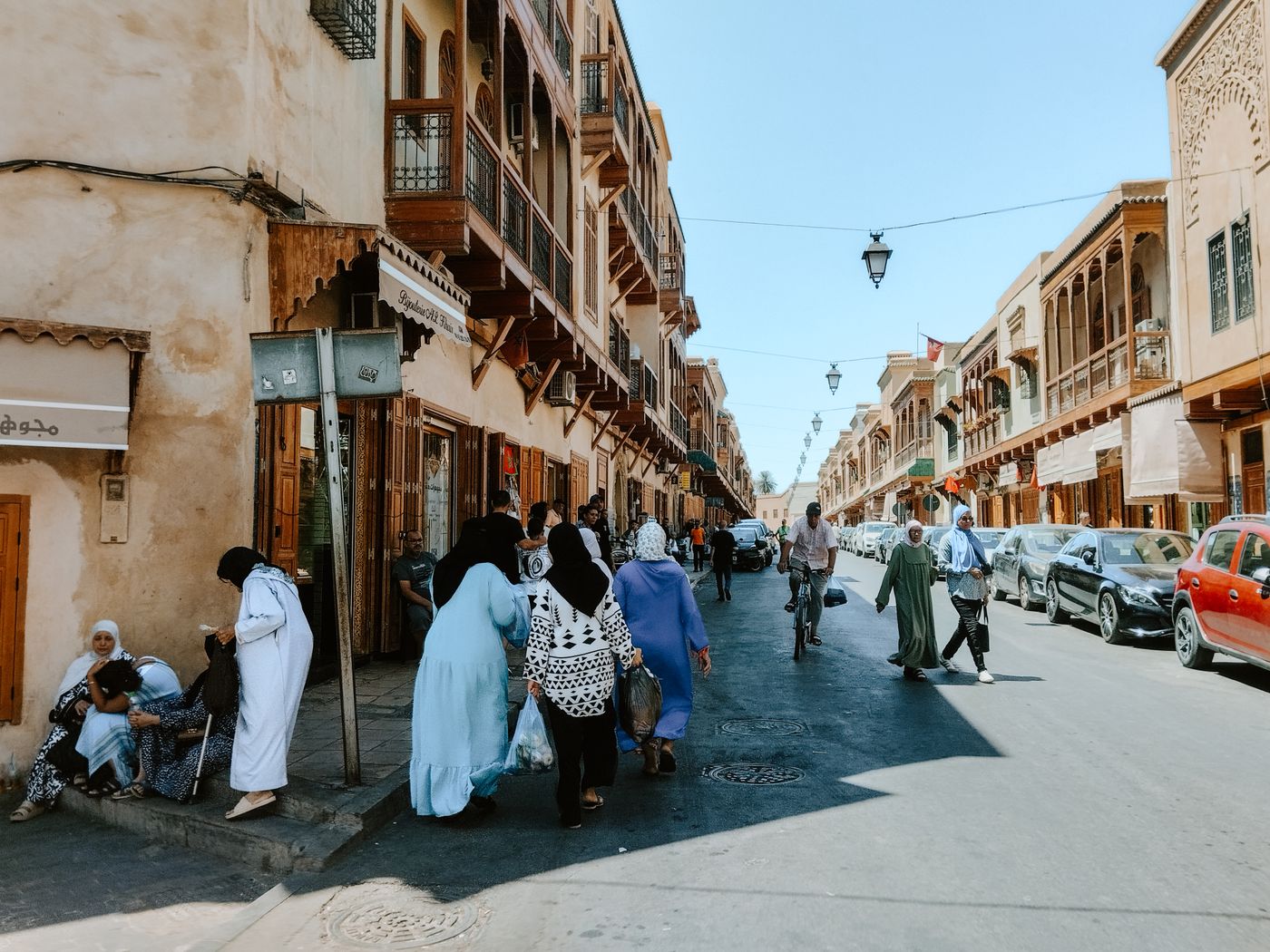
I would give Fes three nights. Two full days is the minimum I would allow for the medina because it is dense, steep and far less intuitive than Marrakech. One day can cover the classic craft and religious architecture circuit; the other is for slower exploration, viewpoints and getting lost without watching the clock.
Days 6–8: Middle Atlas to Merzouga
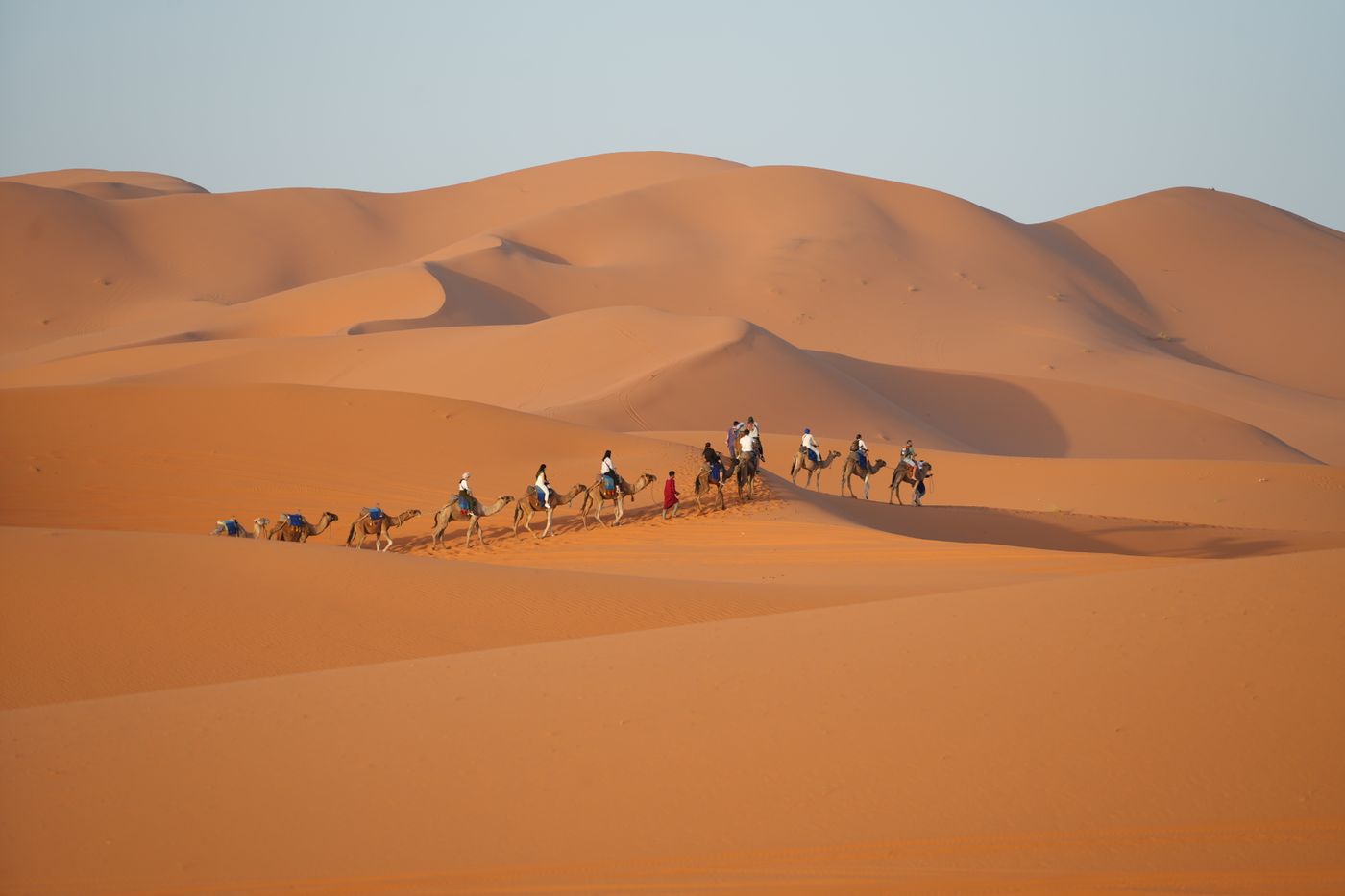
From Fes, head south through the Middle Atlas. The route from Fes to Merzouga crosses the Middle Atlas and eastern valleys before reaching the desert, so it should be treated as a substantial road day.
I would split the journey if the group dislikes long drives, or push through if everyone is comfortable with a full road day. Either way, do not arrive in Merzouga and leave again after one sunrise. Two nights changes the experience completely.
Days 9–10: valleys and Aït Ben Haddou
Turn west through the desert-edge towns toward Todra and Dades. This is where I would slow down and choose one main gorge instead of trying to photograph every detour. The route is already scenic; you do not need to manufacture extra stops.
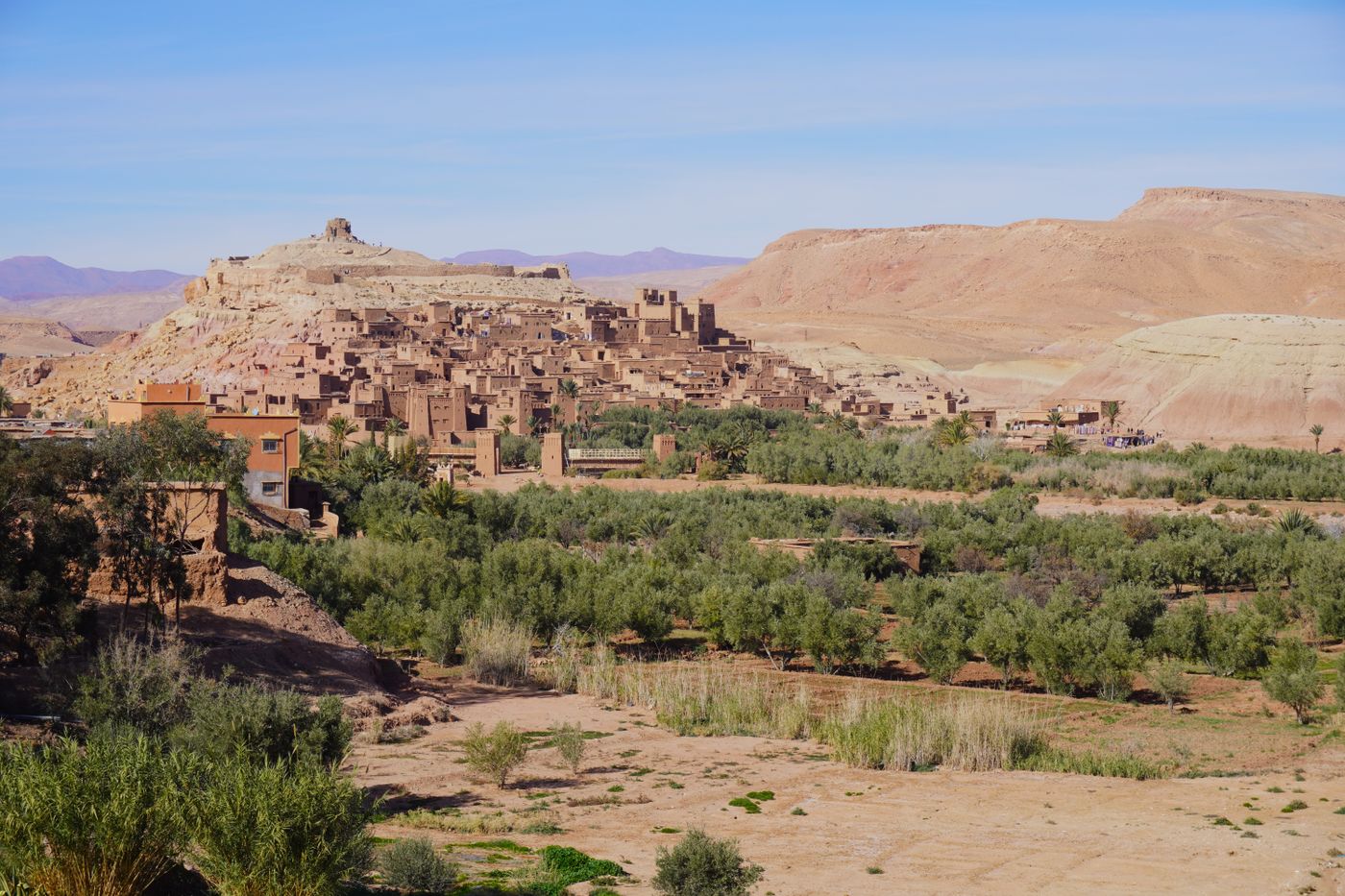
Spend another night near Aït Ben Haddou or Ouarzazate. Aït Ben Haddou is worth walking through properly, not just photographing from the roadside.
Days 11–13: Marrakech
After the desert and valleys, Marrakech feels louder and faster again. I would use three nights exactly as I would on a shorter trip: one day around Jemaa el-Fnaa and the souks, one in the southern medina and one looser day for Majorelle, Guéliz or simply revisiting the parts of the old city you liked.
The point of having fifteen days is that you do not need to “finish Marrakech” in forty-eight hours.
Days 14–15: Essaouira
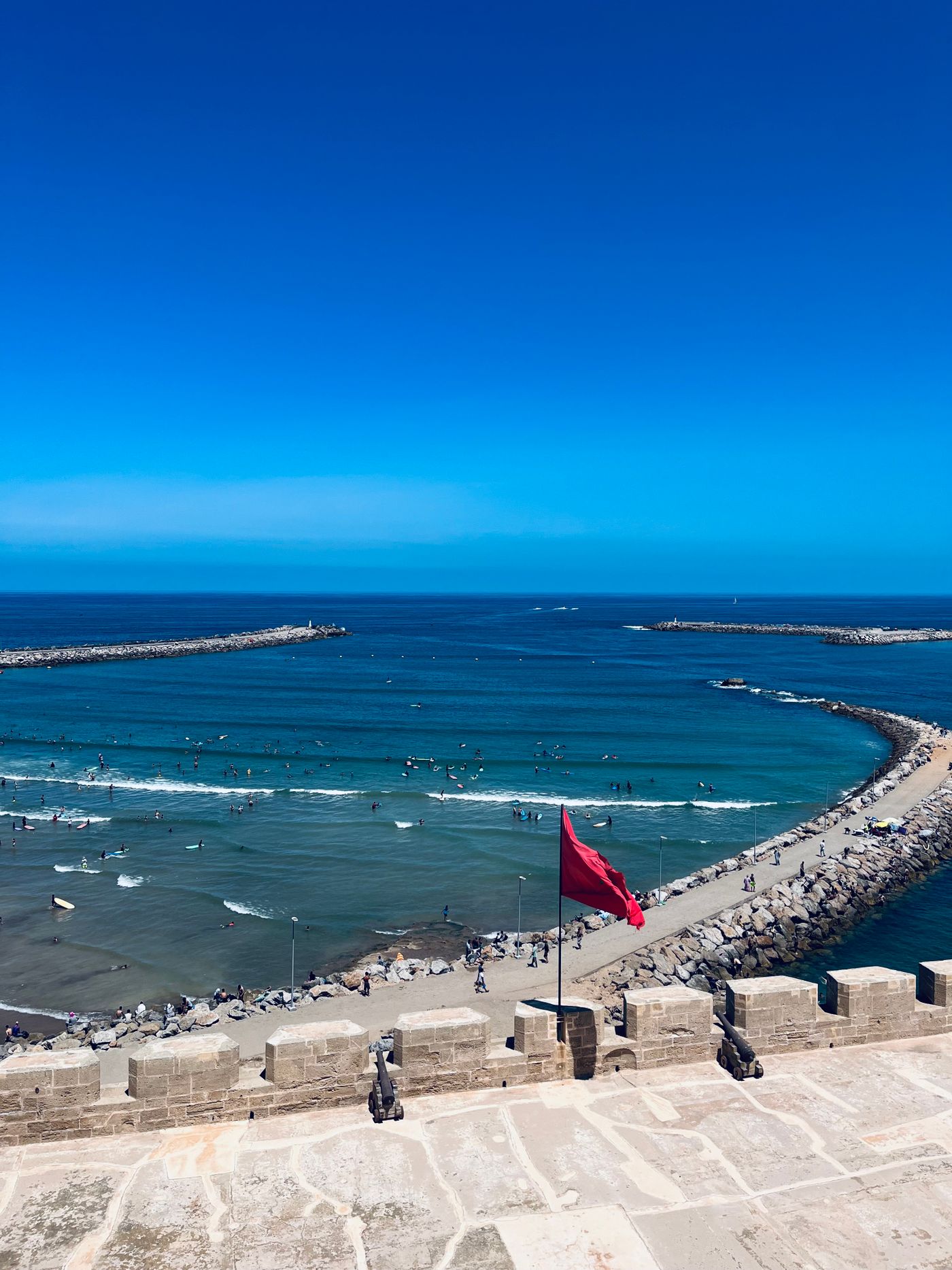
Ending on the Atlantic works well because the final two days become easier. Essaouira's ramparts, fishing port, medina and beach are all close enough together that you can stop planning minute by minute. The Moroccan tourism office describes exactly that mix of fortified walls, port life and water activities.
If you fly out of Marrakech, return with a sensible buffer. I would rather sacrifice two hours on the beach than spend the last afternoon checking the clock in a taxi.
Why I would not add more cities
Fifteen days sounds long until you start stacking destinations. Rabat, Meknes, Casablanca, Tetouan, Agadir and plenty of other places are all valid additions, but each changes the balance. The national tourism office's own “great tour” spans a much wider sequence of regions, which is a good reminder that a full-country circuit really belongs to a longer trip.
My long-trip rule: extra days should make the route slower before they make it bigger.
Who this route suits
This is the route I would choose for a first visit if someone wanted maximum variety and did not mind moving every two or three nights. It combines north, imperial city, mountains, desert, southern valleys, Marrakech and coast. That is a lot, but the sequence is coherent.
If you hate changing hotels, cut Tangier or Essaouira and add the nights to Fes, Marrakech or Merzouga. A good itinerary should fit your tolerance for movement, not a map of “must-sees.”
Transport strategy
I would mix transport methods rather than force one solution on the whole trip. The northern cities are well suited to train, bus and transfers. The Sahara and valleys are road territory. A rental car, private driver or organised section from Fes to Marrakech can make much more sense than keeping a car in every city.
One small change I would make in high season
If I were travelling in the busiest spring or autumn weeks, I would pre-book the desert nights, the most popular riads in Fes and Marrakech, and the Chefchaouen stay. I would still leave daytime sightseeing flexible. Locking down beds is useful; locking every hour of a fifteen-day trip is not.
The version I would book
If it were my own first fifteen days, I would keep exactly two nights in Chefchaouen/Tangier combined, three in Fes, two around Merzouga, two in the southern valleys, three in Marrakech and two in Essaouira. That gives enough time for each region to register before the scenery changes again.
The value of fifteen days is not that you can finally “see Morocco.” You cannot. The value is that you can see several very different Moroccos without spending the whole trip recovering from the previous transfer.
What I would plan before this 15-day route
Fifteen days gives you breathing room, but it also creates more moving parts. Before booking the route, decide where the long road days should fall, which nights matter enough to reserve early, and whether to drive the southern section or use a driver. I would rather make those decisions once than improvise them after reaching Fes.
Transport by section
For Tangier, Fes and the northern cities, rail, coach and transfers are usually the most practical mix. Once the route turns south toward the Middle Atlas, Merzouga, Todra and Aït Ben Haddou, road transport becomes the backbone. Do not keep a rental car simply because you had one earlier; use it only for the section where it creates real freedom.
What to pack for two weeks
Pack for several climates rather than for one country: light layers for cities, something warmer for the Atlas and desert evenings, comfortable walking shoes for medinas, sun protection and a small overnight bag for the desert. Leave some spare space. Moving every few nights becomes much easier when the suitcase is not packed to its limit.
Season matters more on a long route
A two-week itinerary can move from Rif weather to Sahara heat and Atlantic wind. In spring and autumn, layers are still useful. In summer I would reduce the desert intensity and give more weight to the coast. In winter I would keep a closer eye on mountain conditions before the southern crossing.