
Marrakech + Sahara + Fes
The southern overland route works beautifully when you have the time to treat the road itself as part of the trip. Ten days minimum, with longer if you want stops to last more than one night.
Honest itinerary planning for 5, 7, 10 and 15-day trips. These routes account for mountain roads, desert distances and the hours you'll actually spend on the road—not just the cities on a map.
The most common mistake when planning a Morocco trip is counting destinations instead of travel time. Mountain roads take longer than the map suggests, and the route from Marrakech toward the Sahara needs to be treated as a travel day rather than dead time.
Morocco is bigger and slower to cross than it looks on a small map. Roads climb over high mountain passes, wind through gorges and cross long desert-edge stretches where fuel stops can be far apart. A realistic itinerary builds around that geography instead of fighting it.
These detailed guides show what fits comfortably into each timeframe, what you'll need to skip, and where an extra day makes the biggest difference.
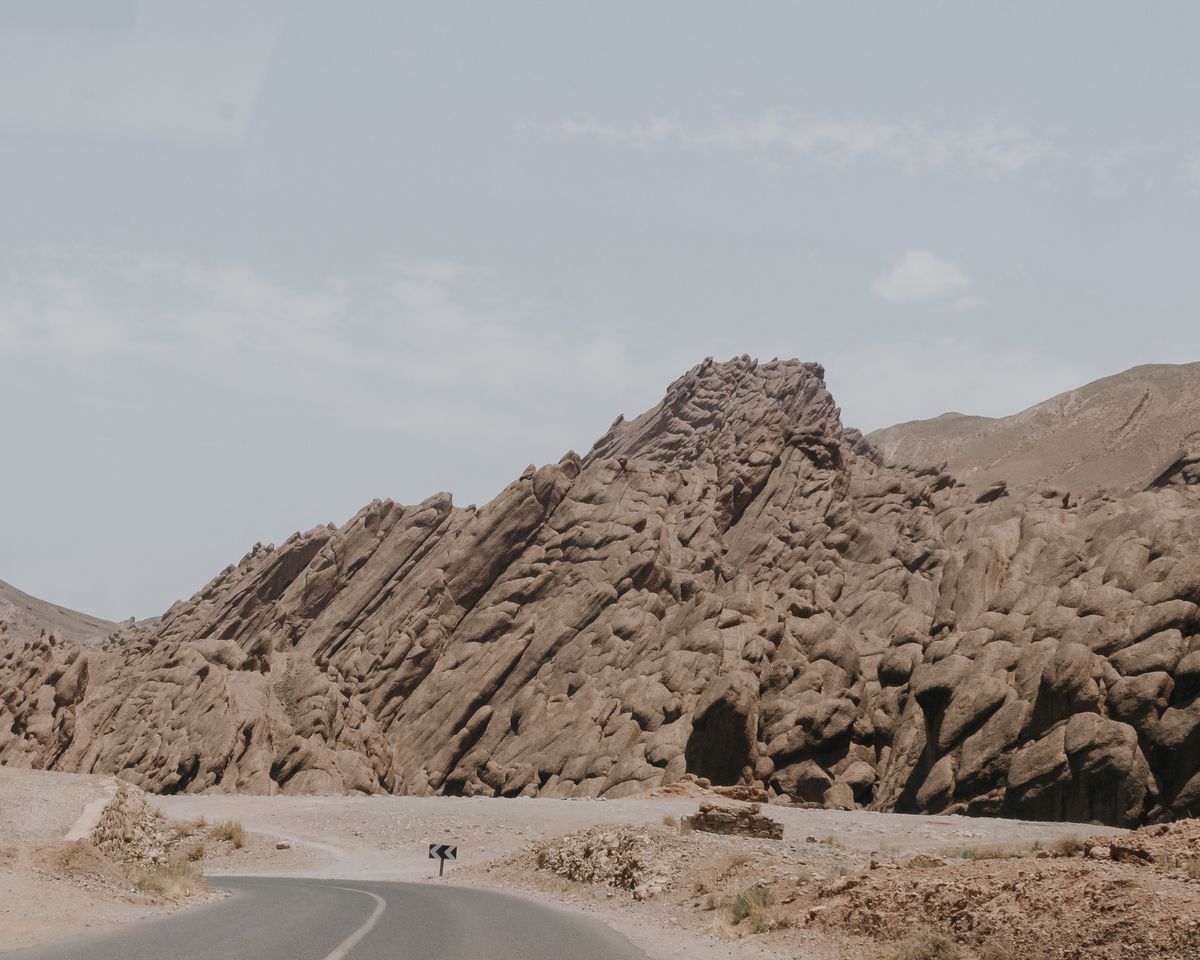
Seven days works best when the route stays compact. This version combines Marrakech, one High Atlas day and two nights in Essaouira, giving the week three distinct settings without turning it into a sequence of long transfers.
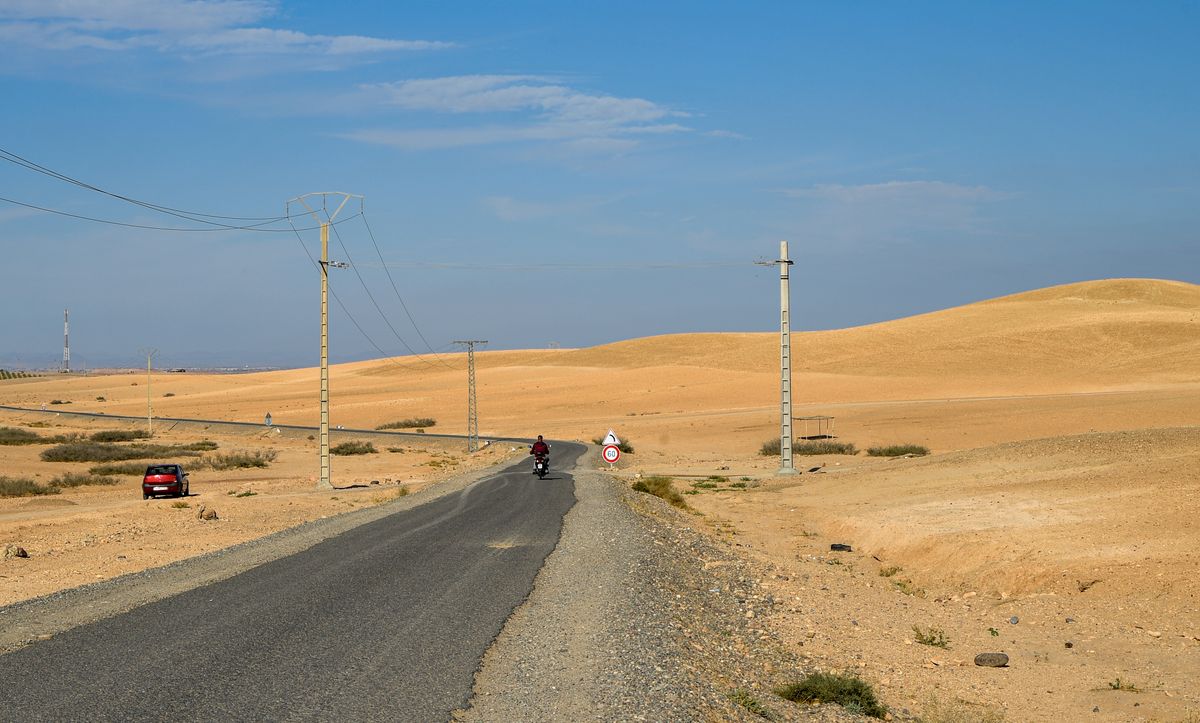
Ten days is where the classic Morocco route finally makes sense. Marrakech, the Tizi n'Tichka pass, Aït Benhaddou, the Dades or Todra gorges, Merzouga and the Sahara, then north through the Ziz Valley to Fes. You'll still spend serious time on the road, but the stops are substantial enough to justify the distance. This is the trip length where Morocco's geography starts working with you instead of against you.
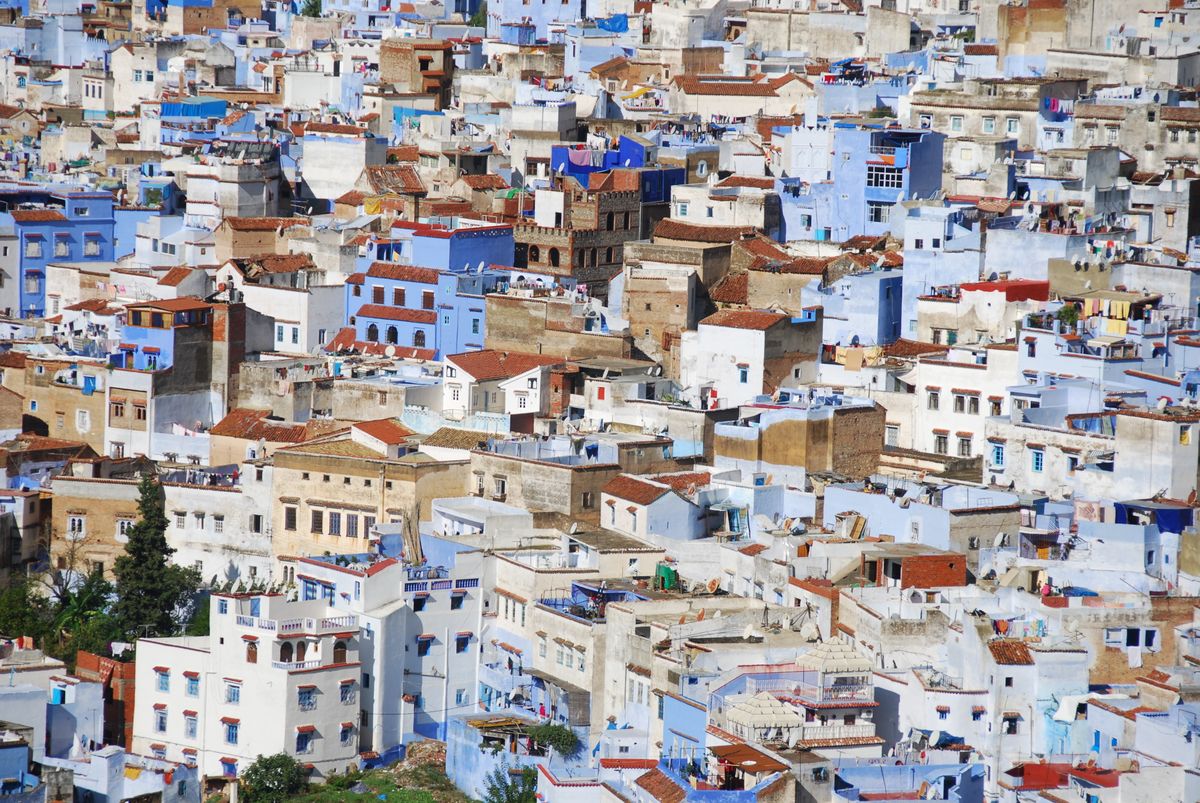
Fifteen days gives the itinerary breathing room. You can connect the classic Marrakech–Sahara–Fes route with Chefchaouen and Tangier, or use the extra time to slow down with longer stays. The advantage is not simply adding more stops; it is reducing the pressure to move every day.
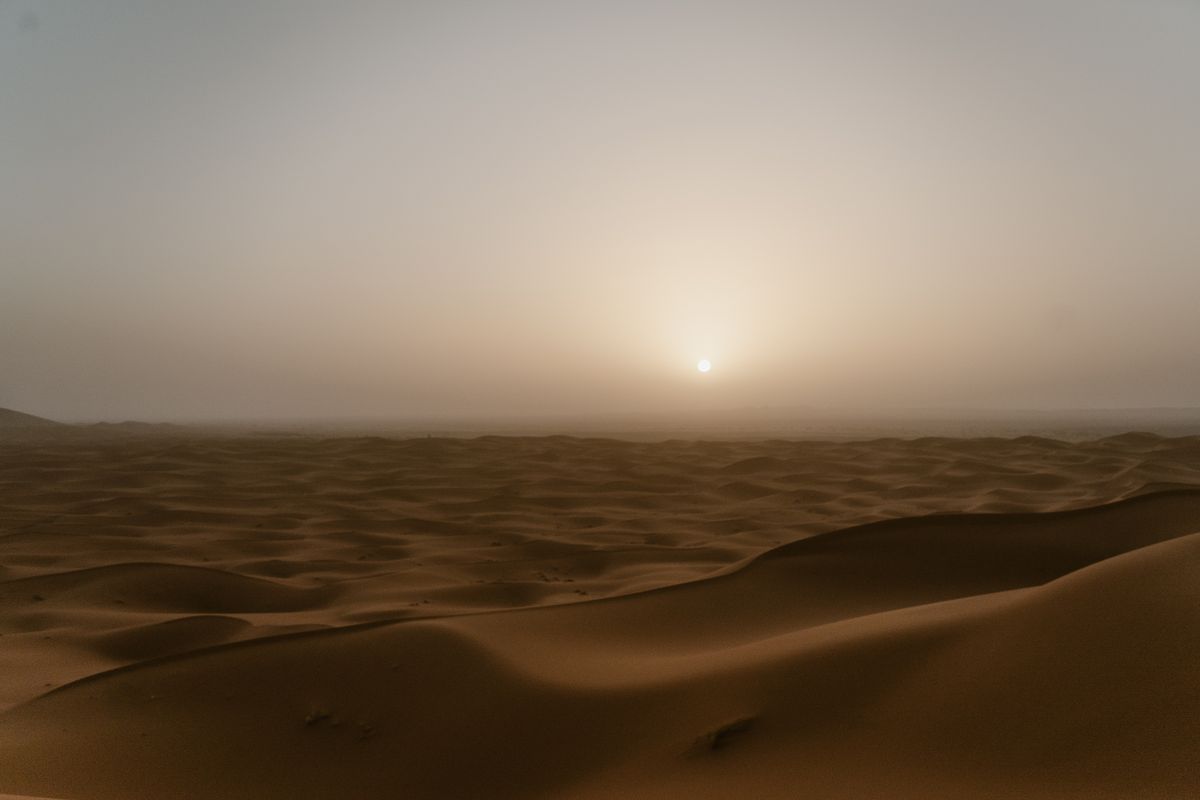
A focused road route through the High Atlas, Aït Ben Haddou, the Dades and Todra area, and Merzouga. Best for travellers who want the journey south to be part of the trip rather than a transfer to rush through.
Two people with ten days might need completely different itineraries depending on whether they enjoy long road days and frequent hotel changes or prefer fewer bases and slower exploration.
The southern overland route works beautifully when you have the time to treat the road itself as part of the trip. Ten days minimum, with longer if you want stops to last more than one night.
If you dislike packing every second day, base yourself properly. Marrakech + Essaouira. Fes + Chefchaouen + Tangier. Two or three longer stays beat five one-night stops.
A hire car gives freedom in the south—stopping at kasbahs, gorges and mountain roads—but mountain driving is tiring, and desert distances are real. Plan conservatively even when you're in control of the schedule.
The number one mistake is treating Morocco like a small country. It's not. Its geography is broad and varied, and roads through the Atlas or across the pre-Sahara are slower than motorways through Europe. Marrakech to Merzouga is a long road journey that works better when it is broken into meaningful stops.
The second mistake is mixing geographically distant regions into a short trip because they all look manageable on a zoomed-out map. Chefchaouen (north), Essaouira (Atlantic coast) and Merzouga (deep south) belong to different routes. Trying to connect all three in seven days means you'll see car parks and hotel lobbies more than Morocco.
Morocco's regions cluster naturally into three zones: the north (Tangier, Chefchaouen, Fes), the south (Marrakech, High Atlas, Sahara desert routes) and the Atlantic coast (Casablanca, Essaouira, Agadir). Strong itineraries work with these clusters instead of bouncing between them.
The classic first trip—Marrakech, Atlas crossing, Sahara, Fes—works because it follows a logical loop. You're not backtracking. Each stage builds on the previous one. Northern Morocco fits naturally after Fes, not as a detour mid-desert. The Atlantic coast fits as an extension from Marrakech or a separate trip entirely.
Planning principle: Every time you add a distant destination, ask which existing stop loses a day. If the answer is "none," the itinerary is too ambitious.
Morocco's rail network is excellent for connecting major cities: Marrakech, Casablanca, Rabat, Fes, Tangier and Meknes. The Al Boraq high-speed train (Tangier–Casablanca) and ONCF intercity services make northern and Atlantic routes practical without a car.
The southern desert route requires road travel. There are no trains to Ouarzazate, Boumalne, Merzouga or the Dades Valley. Your options are hiring a car, booking private transfers or joining an organised desert tour. Each has trade-offs: driving yourself gives flexibility but adds fatigue; transfers let you relax but lock in times; tours reduce logistics but follow fixed itineraries.
Most first-time travellers combine both systems. Trains between cities, hire car or transfers for the south. There's no need to commit to one transport method for the entire trip unless the route genuinely benefits from it.
Seven days is enough for a strong first route if you accept that you can't see everything. Marrakech plus one thoughtful extension (Atlas, Essaouira, or skip south entirely and do Fes–Chefchaouen) beats trying to connect six cities.
Ten days is the trip length where Marrakech, the High Atlas, Merzouga and Fes form a coherent route without compressing every stop into a few hours. You'll still move frequently, but the stops are substantial.
Fifteen days opens the door to northern Morocco, the Atlantic coast or simply slowing the whole route down. Two nights in the Dades Valley instead of one. Three days in Fes instead of two. The trip stops feeling rushed.
If you have ten days, the Marrakech–Atlas–Sahara–Fes route is the best all-round introduction to Morocco because it shows several very different sides of the country without backtracking. With only five to seven days, I'd narrow the geography: Marrakech and nearby, or the northern triangle (Fes, Chefchaouen, Tangier).
With fifteen days, I'd add either northern Morocco or the Atlantic coast rather than simply padding the southern route with extra one-night stops. The goal is balance—not a checklist.
These itineraries aren't claiming there's one "perfect" Morocco route. They're showing what's realistic, what each trip length allows you to see properly, and how to avoid spending your entire holiday in transit between distant cities.