There is no single best month for all of Morocco
The first mistake to avoid when planning weather is treating Morocco as one climate zone. Tangier, Essaouira, Marrakech, the High Atlas and Merzouga can feel completely different on the same trip. The useful answer to best time to visit Morocco starts with the route you are actually considering.
The Moroccan National Tourist Office makes the same regional distinction: coastal areas are moderated by the Atlantic and Mediterranean, inland areas are more continental, and the Sahara is best approached in spring and autumn. Official climate and seasons guide.
Spring: the easiest all-round choice
For a first trip mixing Marrakech, the Atlas, desert and Fes, spring is one of the easiest periods to work with. I would still pack layers, because mountain mornings and desert evenings can be cooler than the daytime suggests.
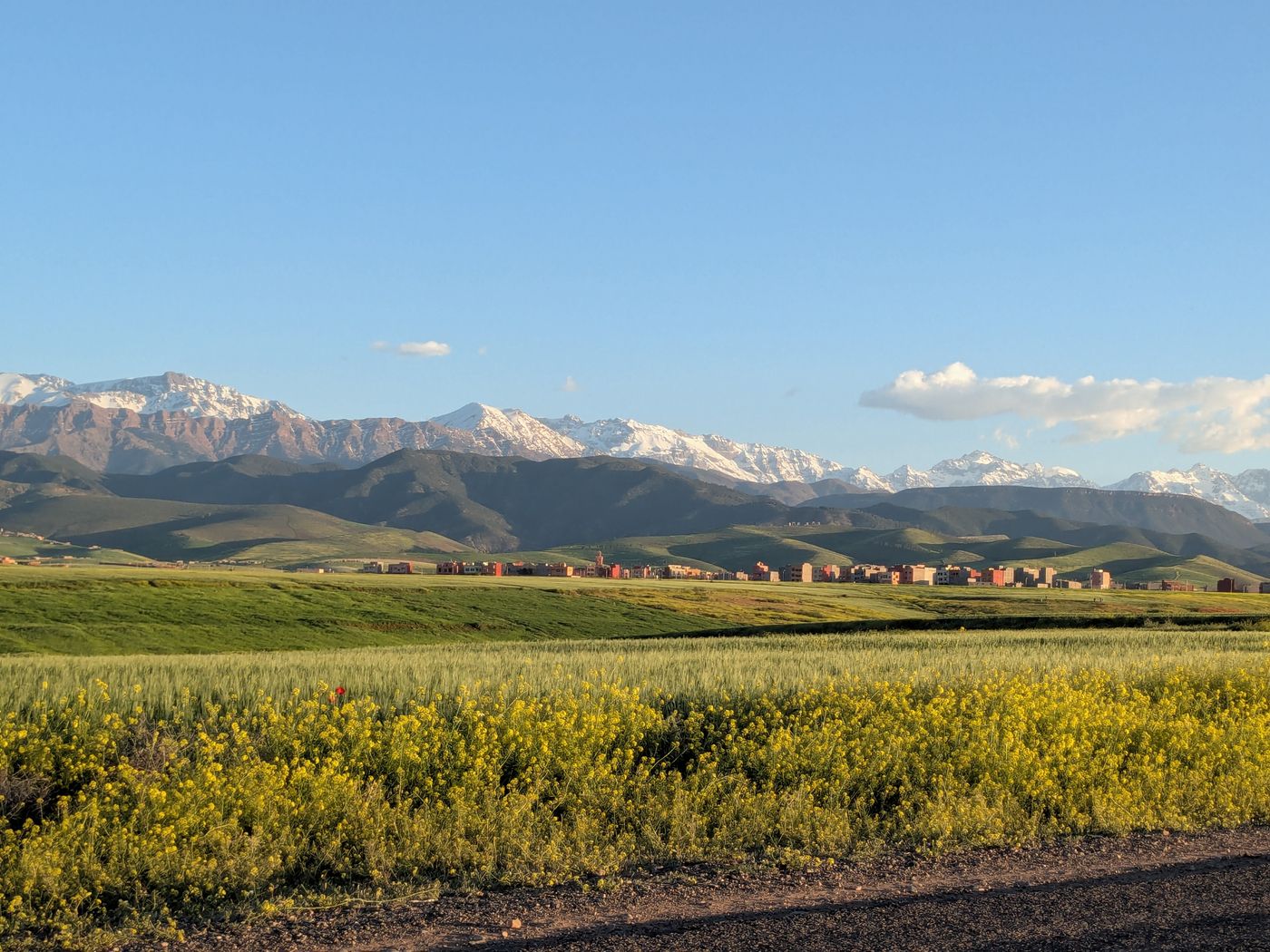
Spring is also popular, which means the most distinctive riads and desert stays can fill sooner. I would book the parts of the route I care about most and leave ordinary sightseeing flexible.
Summer: I would redesign the route
I would not plan July or August exactly like April or October. Inland cities and the southeast can become extremely hot, and the Sahara section changes from something I want to explore slowly into something I have to manage around temperature.
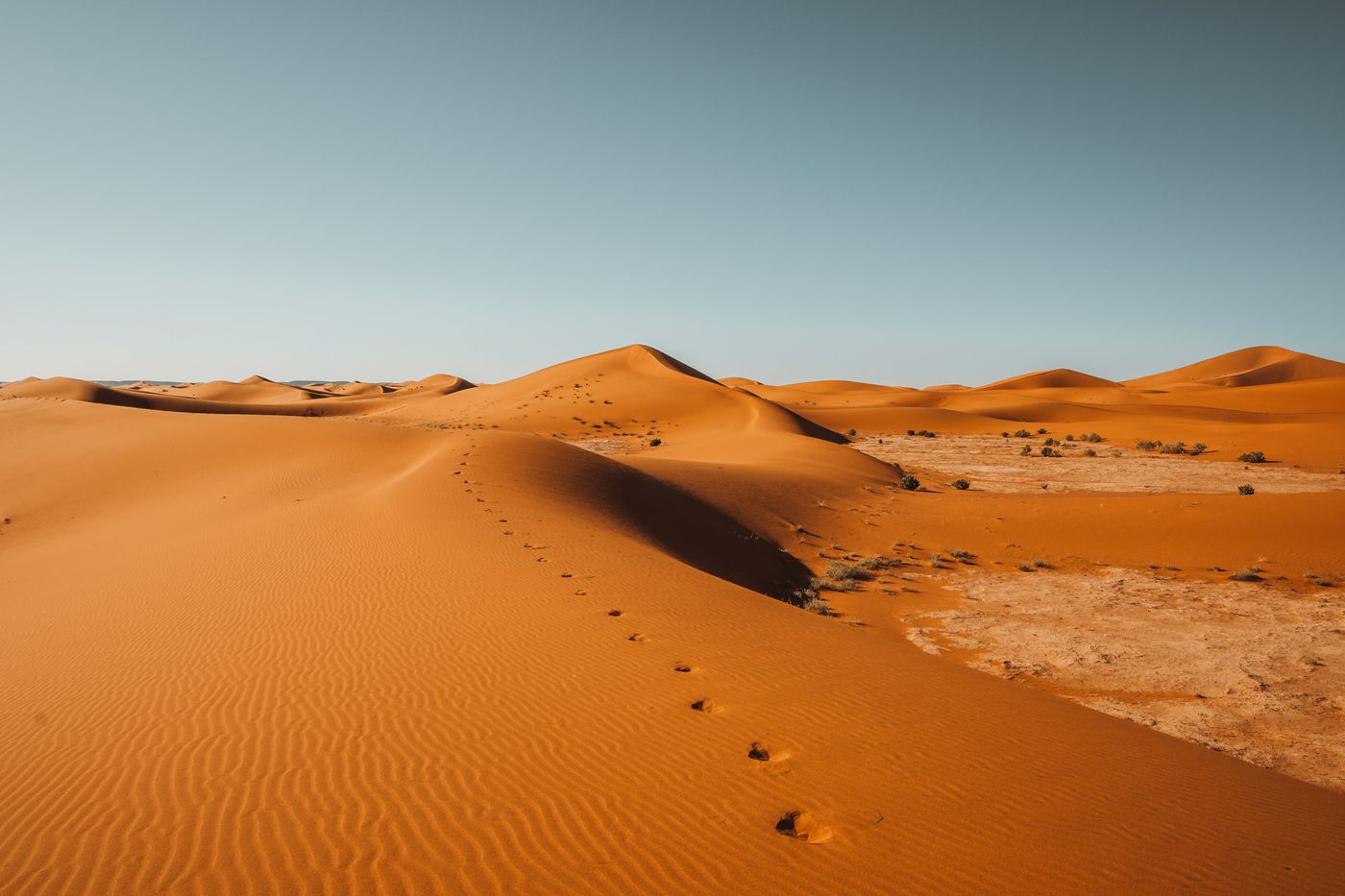
If summer dates were fixed, I would put more weight on the Atlantic coast and northern Morocco, use early mornings in hotter cities and avoid building the trip around long midday desert activities.
Autumn: the other strong season for a first road trip
Autumn has much of the same appeal as spring for an itinerary combining cities, mountains and the Sahara. The official tourism office specifically recommends spring and fall for the desert. That makes autumn especially practical for Marrakech-to-Merzouga routes.
I would still check conditions close to travel, especially if the route includes mountain roads. “Autumn” is not a guarantee that every region will behave the same way.
Winter: do not underestimate the Atlas
Winter can be excellent for city sightseeing, but mountain conditions need respect. Snow in the Atlas is real, not a decorative background to Marrakech. If I were planning Imlil, Oukaïmeden or a high mountain crossing, I would check current local conditions instead of assuming the road will behave like it did in October.
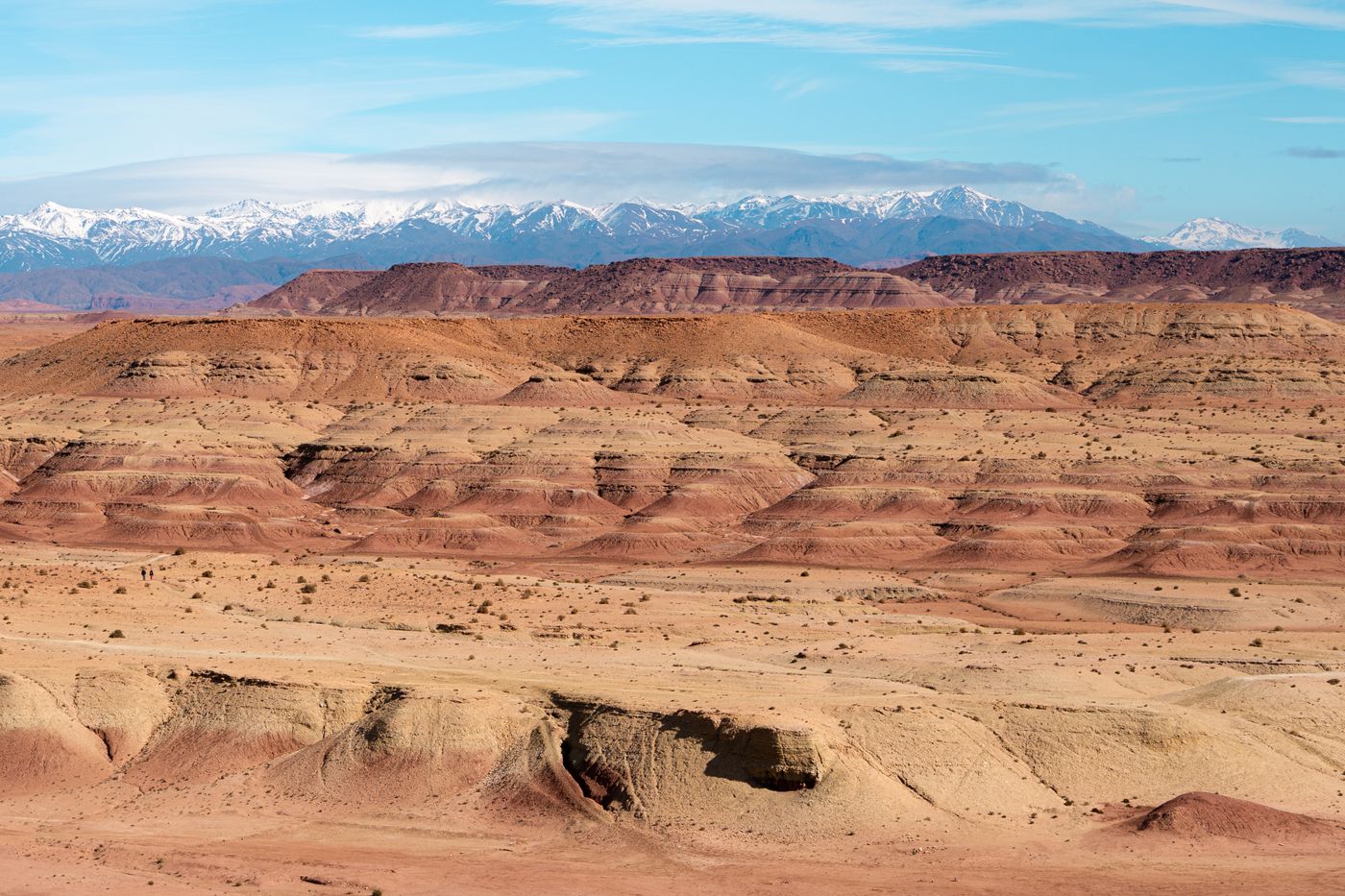
Desert nights can also feel much colder than the daytime. This is when packing only “Morocco = hot” clothing becomes a mistake.
The Atlantic coast follows a different logic
Essaouira, Agadir and other Atlantic locations do not need to be judged by the same criteria as Merzouga. The national tourism office describes the coast as sunny and moderated by ocean influence, with Agadir especially associated with mild temperatures.
If the trip is mainly coast, there is much more flexibility with season than with a Sahara-heavy itinerary.
Ramadan and seasonal travel rhythm
Ramadan moves through the calendar, so check whether it overlaps with your travel dates. Travel continues, but daily rhythms can change. Some businesses may adjust hours, and evenings can feel much more active after the fast ends.
I would not treat that automatically as a reason not to travel. I would simply plan with more flexibility and not expect every restaurant or small shop to keep the hours listed online months earlier.
What to pack by route, not by stereotype
- City + desert: light daytime clothing plus layers for evenings.
- Atlas: proper footwear and warmer layers depending on altitude and season.
- Atlantic coast: wind can matter as much as temperature.
- Winter: assume colder mornings and nights than a generic “sunny Morocco” forecast suggests.
A useful weather rule: check Marrakech, the Atlas stop and Merzouga separately. One forecast for “Morocco” tells me almost nothing about a multi-region road trip.
So when would I go?
For a classic first trip through Marrakech, the south, Sahara and Fes, I would start by looking at spring or autumn. For a summer trip, I would shift the route toward coast and north. For winter, I would happily plan cities but treat mountain and desert nights more carefully.
That is the answer I trust more than any universal “best month.” The best time to travel to Morocco is the period that suits the regions you actually want to see.
Should you choose dates around crowds or weather?
With flexible dates, I would look at both. Pleasant weather usually means more demand in the best-known places, especially Marrakech and the desert route. I would rather reserve a small number of important stays early than choose worse weather purely to avoid other travellers.
For me, the better compromise is to keep the route sensible: start sights early, stay an extra night where the schedule would otherwise be tight, and avoid assuming that every popular place will be empty just because you travel outside peak summer.
What about shoulder weeks?
The weeks between the busiest spring, summer and autumn periods can work very well, but I would still judge them by region. A warm city day can coincide with much cooler mountain conditions. Likewise, the Atlantic can feel windy while Marrakech feels hot. That regional variation is normal, not an exception.
If hiking or a high mountain crossing is central to the trip, I would make that activity the deciding factor. If the itinerary is mostly cities and coast, there is far more freedom with dates.
What to check just before departure
Check the actual forecast for every major stop, current mountain-road information if relevant, and the sunset time for travel days. Those details matter more than historical averages when the suitcase is already packed.
Weather planning is not about predicting the trip months in advance. It is about choosing a sensible season and then adapting to the conditions you actually get.