Would I drive in Morocco?
Yes, on the right route. I would happily rent a car for the High Atlas, Dades, Todra and the road toward Merzouga. I would be much less enthusiastic about keeping one while staying inside Marrakech or Fes. The freedom is excellent in rural Morocco; the usefulness drops sharply once the car is parked outside a medina.
If you are researching driving in Morocco, the most important thing is not whether the roads are “good” or “bad.” It is whether you are comfortable with the type of road, the traffic around cities and the amount of driving your itinerary demands.
The easier roads for a first self-drive
Main roads between major towns are usually straightforward to follow. The national tourism office confirms that Morocco drives on the right and notes that road signs are in French and Arabic. It also points to the country's north–south highway network.
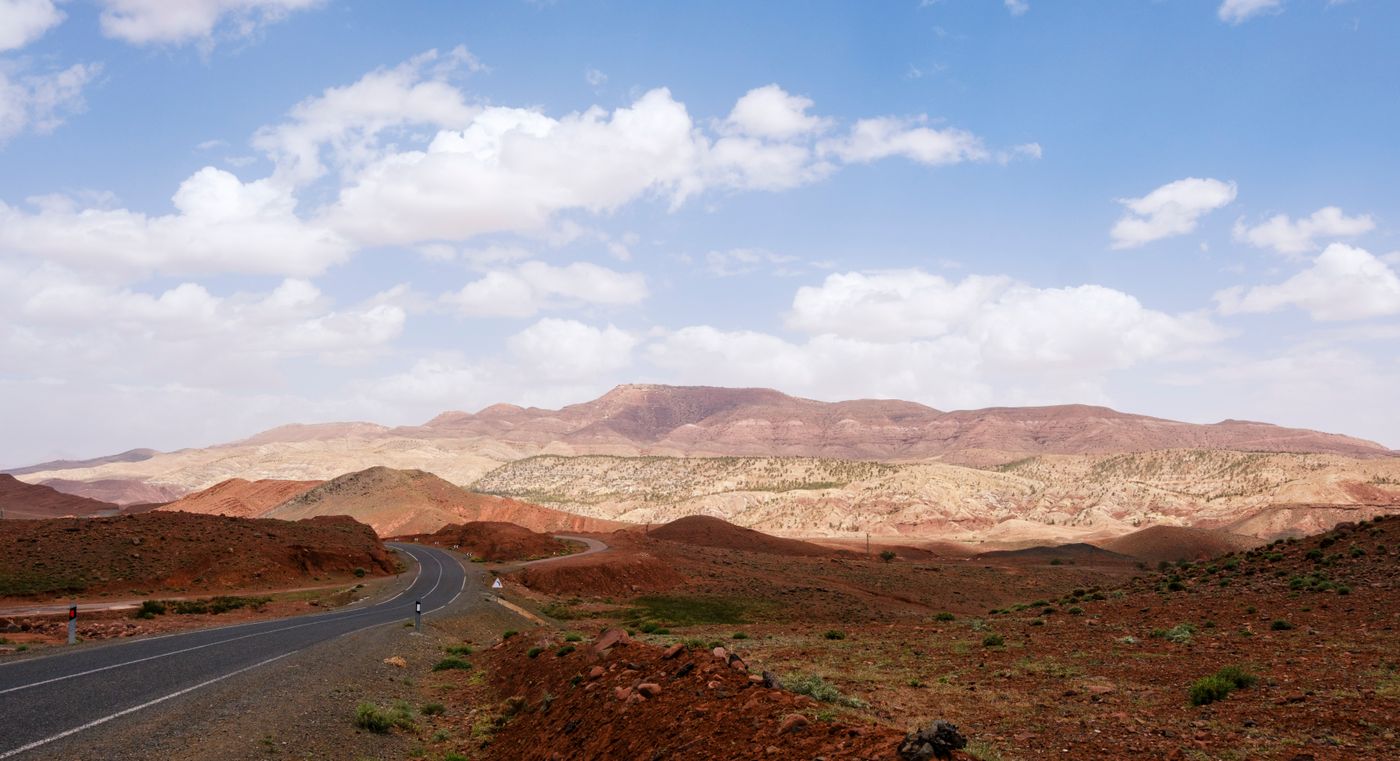
What changes in the Atlas is speed. A road may be paved and perfectly passable, but bends, villages, gradients and slow traffic mean the average pace drops. I would never plan a mountain day from the kilometre count alone.
Mountain driving: the part people underestimate
I would treat the Atlas differently from motorway driving: start earlier, avoid arriving at unfamiliar mountain accommodation after dark and stop before tiredness sets in. If the weather is poor, give the road even more margin.
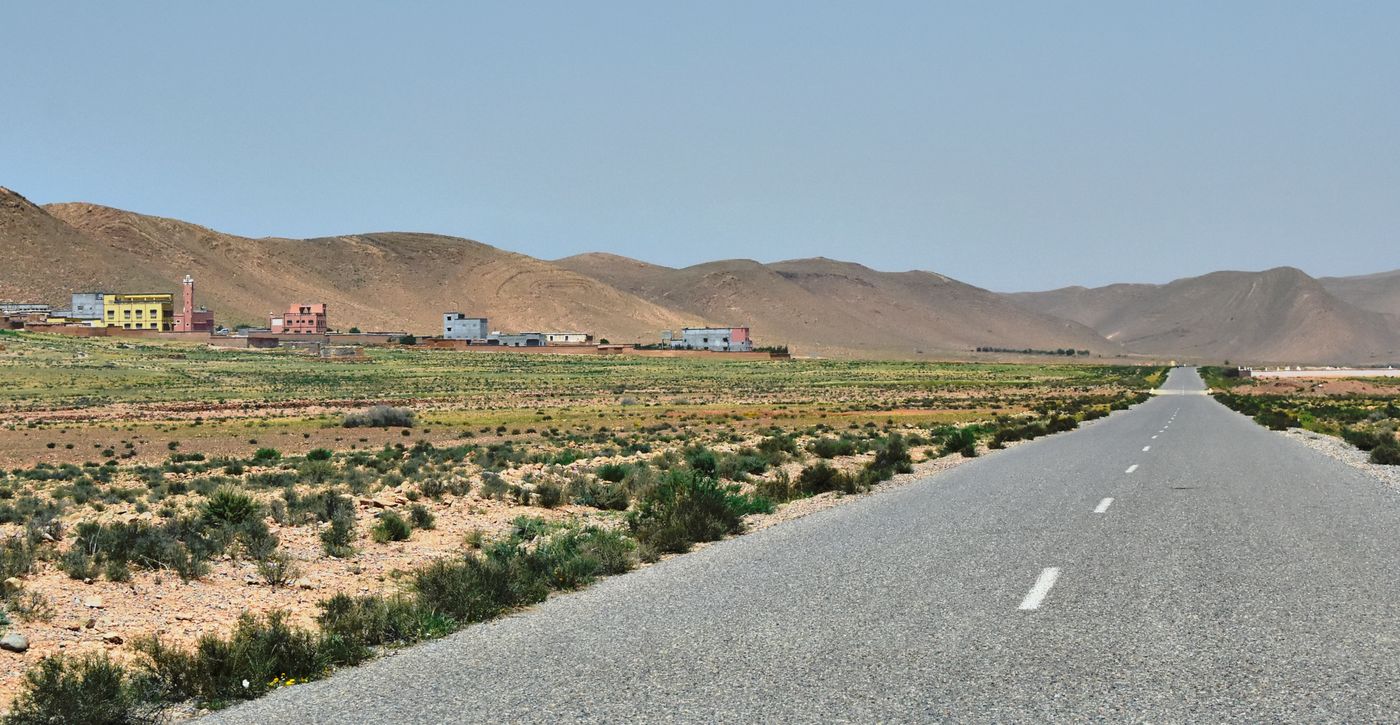
Avoid turning every roadside viewpoint into a sudden braking manoeuvre. If you want a photograph, look for a proper place to pull off safely.
City driving: keep it to a minimum
Marrakech, Casablanca and Fes are not where I would rent a car for pleasure. Traffic can be assertive, scooters appear quickly and parking near old-city accommodation may be awkward. If the trip starts with three nights in Marrakech, I would normally collect the rental car on the morning I leave rather than at the airport on arrival.
The same logic works at the end: return the car before a long city stay if you no longer need it.
Parking and medina access
Do not assume your riad has vehicle access because the booking page lists an address. In many medinas, the final section is on foot. Before arriving, I would ask the accommodation where the nearest practical drop-off or parking point is and whether someone can meet you there.
That small message can save a miserable half-hour dragging luggage through lanes while trying to follow a map.
Rental cars: what to check before leaving
Photograph the car at pickup, including wheels and existing body marks. Check the fuel policy, tyre condition and what the contract says about where the vehicle may be driven. Before heading onto mountain or desert-edge roads, confirm what roadside assistance is actually included.
Do not assume that every attractive track on a digital map is suitable for a normal rental car.
My rule: a standard car is for paved roads unless the rental agreement and local conditions clearly say otherwise.
Motorways, tolls and traffic information
Morocco has toll motorways, and Autoroutes du Maroc provides traffic and toll information through its official services. The national tourism office specifically points travellers to the Autoroutes du Maroc app for live traffic events, roadworks, congestion and toll information.
I would check current information rather than copy a toll price from an old blog post. Prices and road conditions are exactly the kind of detail that can change.
Road signs and navigation
Offline maps are a useful backup, but do not blindly follow navigation onto minor roads because an app says it saves a few minutes. On a road trip through unfamiliar rural areas, the obvious main road is often the better decision.
Police checks and speed
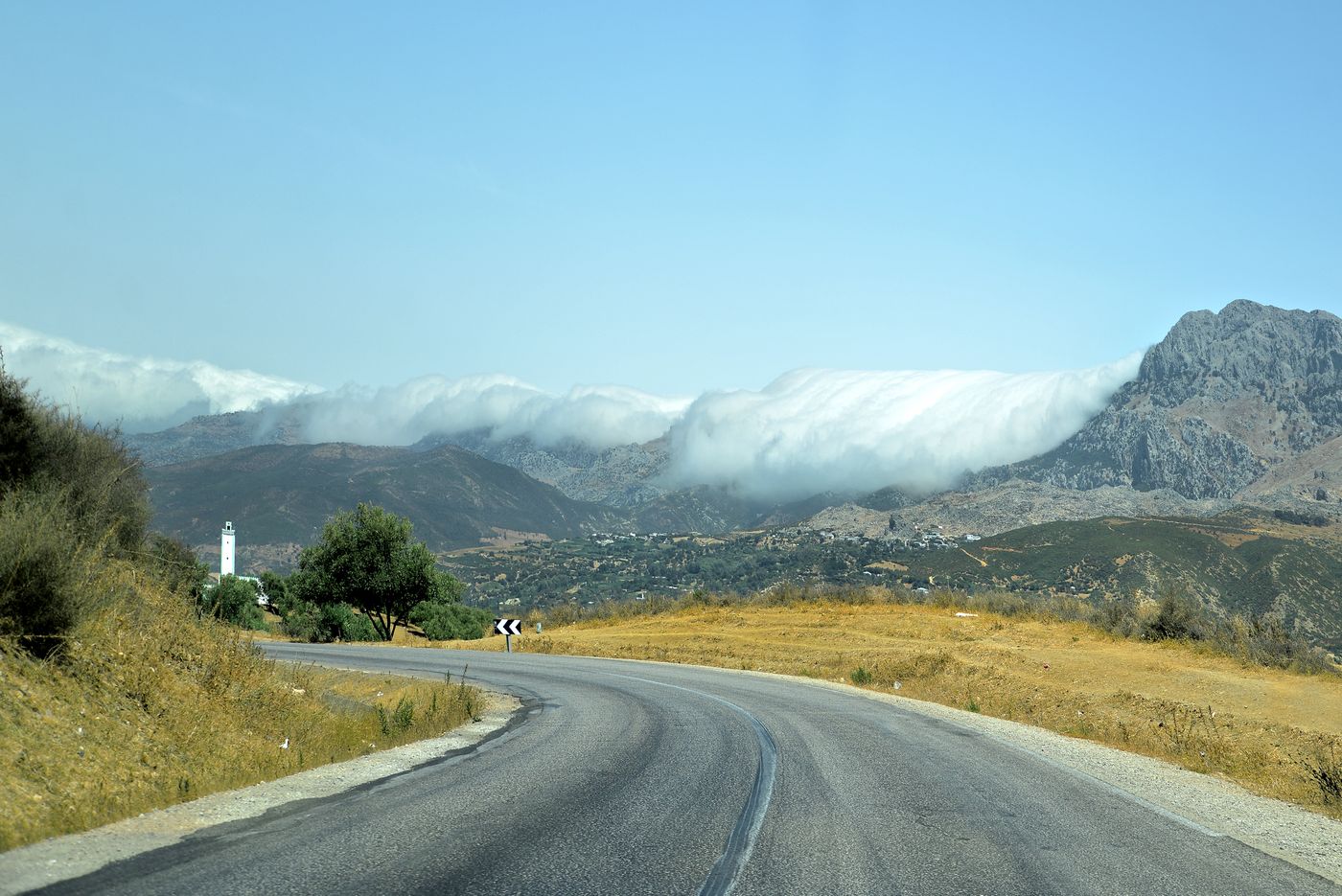
Obey posted limits and assume enforcement is possible. Local driving habits are not permission to copy every manoeuvre you see. The relaxed road-trip version of Morocco works best when you are not trying to make up twenty minutes between every stop.
Fuel and long rural sections
I would refuel before a long remote leg instead of waiting for the warning light. Major routes have fuel options, but there is no benefit in turning a normal stop into a problem by assuming the next station is five minutes away.
Keep water in the car and avoid letting phones run down completely when navigation is important.
Do you need a 4x4?
Not for the classic paved route from Marrakech through Aït Ben Haddou, the southern valleys and toward Merzouga. A normal car can cover the main paved itinerary. A 4x4 becomes relevant for specific off-road plans, not simply because the destination is the desert.
When I would choose a driver instead
If nobody in the group enjoys driving, I would hire a driver rather than force the issue. The southern route already has long days. A driver lets everyone watch the scenery, rest and arrive less tired.
That does not make the trip less independent. You can still choose accommodation, stops and pace; you are simply outsourcing the part you do not enjoy.
The route where a car earns its cost
For me, the strongest case for renting a car in Morocco is Marrakech → Atlas → Aït Ben Haddou → Dades/Todra → Merzouga, especially when the itinerary allows several days. You can stop where the landscape changes, leave viewpoints when you are ready and avoid fitting the road around a coach schedule. The Marrakech to Merzouga route guide breaks that drive into realistic stages.
The weakest case is a week made up mostly of Marrakech, Rabat, Casablanca, Fes and Tangier. On that kind of trip, trains and local transport can be easier.
How to keep a road trip sensible
- Collect the car only when you actually need it.
- Treat mountain driving time conservatively.
- Plan to arrive before dark when accommodation is hard to find.
- Use official traffic information for current motorway conditions.
- Do not add a remote detour just because it looks short on a map.
Driving gives you one of the best ways to see Morocco beyond the major cities, but only when the route is designed for it. A car should create freedom, not become something you spend the whole trip managing.